Empowering the Future of Green Computing: Pytes Supports the Sustainability of Australian Data Centres with Energy Storage Technology
Focus on Australia: Pytes leverages its proven technology portfolio to support the development of green data centres.
Industry Initiative: Data Centres Must ‘Bring Their Own Green Electricity’ to Build a Sustainable Digital Future
Recently, the Clean Energy Council (CEC) in Australia, together with 11 other leading organisations including the Electrical Trades Union (ETU) and WWF-Australia, jointly submitted a proposal on the sustainable development of data centres to the federal government.
Faced with the daunting challenge of electricity demand rising from the current 1.35 gigawatts (GW) to between 5 and 8 gigawatts (GW) by 2035, driven by the wave of artificial intelligence, the initiative specifically highlights two key pathways: being powered by 100% additional renewable energy and strengthening grid stability. This proposal aims to prevent new loads from placing pressure on existing grid resources and to avoid driving up electricity costs for residential and commercial consumers.
Energy Storage Provides Reliable, Green Power for the Era of High Computing Power
In high-load scenarios such as large-scale AI model training, edge computing and real-time inference, data centres are placing unprecedented demands on the stability, continuity and cleanliness of their power supply. Traditional power grids struggle to meet the dual challenges of ‘zero downtime and zero carbon emissions’ on their own, and battery energy storage systems (BESS) are emerging as the key to overcoming these challenges:
● Peak Shaving and Valley Filling: Charging during off-peak hours or when renewable energy is abundant, and discharging during peak hours to reduce electricity costs and grid strain
● Emergency Backup Power: With millisecond-level response capabilities, providing uninterrupted power assurance for critical loads, replacing or supplementing diesel generators
● Green power integration: Deployed in conjunction with solar and wind power to increase the proportion of renewable energy consumed locally
● Grid support: Providing ancillary services such as frequency regulation, voltage regulation and inertia support to enhance the resilience and stability of regional grids
The International Energy Agency (IEA) notes that by 2030, data centre electricity consumption will rise from approximately 415 TWh in 2024 to around 945 TWh, representing an increase of over 100%. The report also emphasises that renewable energy can only effectively meet the additional energy demands of data centres ‘with the coordinated support of energy storage and the grid’.
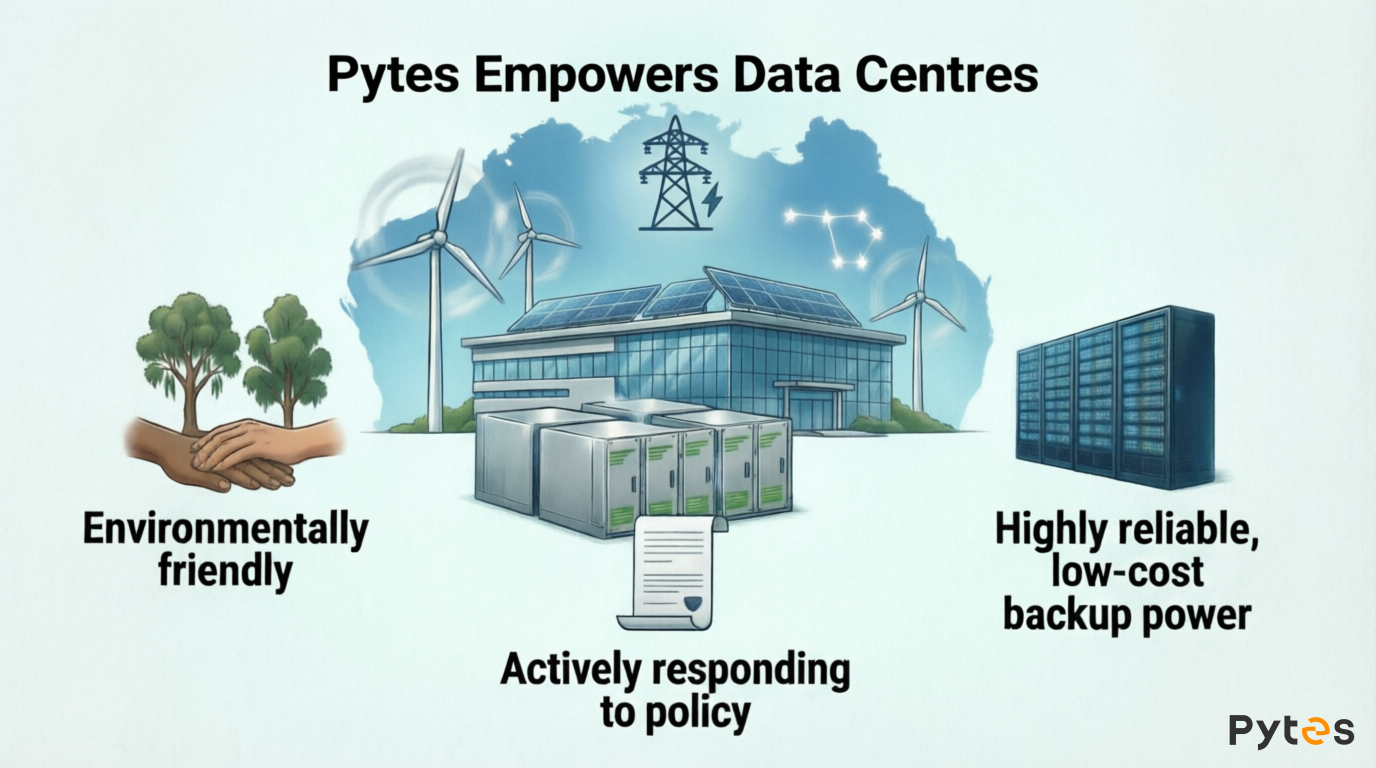
As Australia’s data centre sector expands at an accelerated pace, the principle of ‘new demand, new green energy’ has become an industry consensus. As a leading global provider of energy storage system solutions, Pytes is actively exploring opportunities in the Australian market.
Proven technical capabilities and flexible, customisable solutions
Pytes is currently engaged in preliminary technical discussions regarding a data centre project in Songjiang, Shanghai, China, with plans to deploy a 30MWh energy storage system. The aim is to explore a new model of green energy supply combining energy storage with data centres. Although the project is still at the negotiation stage, it fully demonstrates Pytes’ technical expertise and system integration capabilities in high-tier data centre environments:
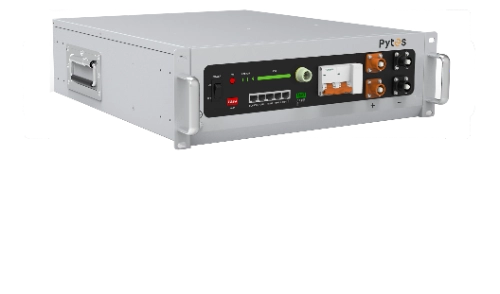
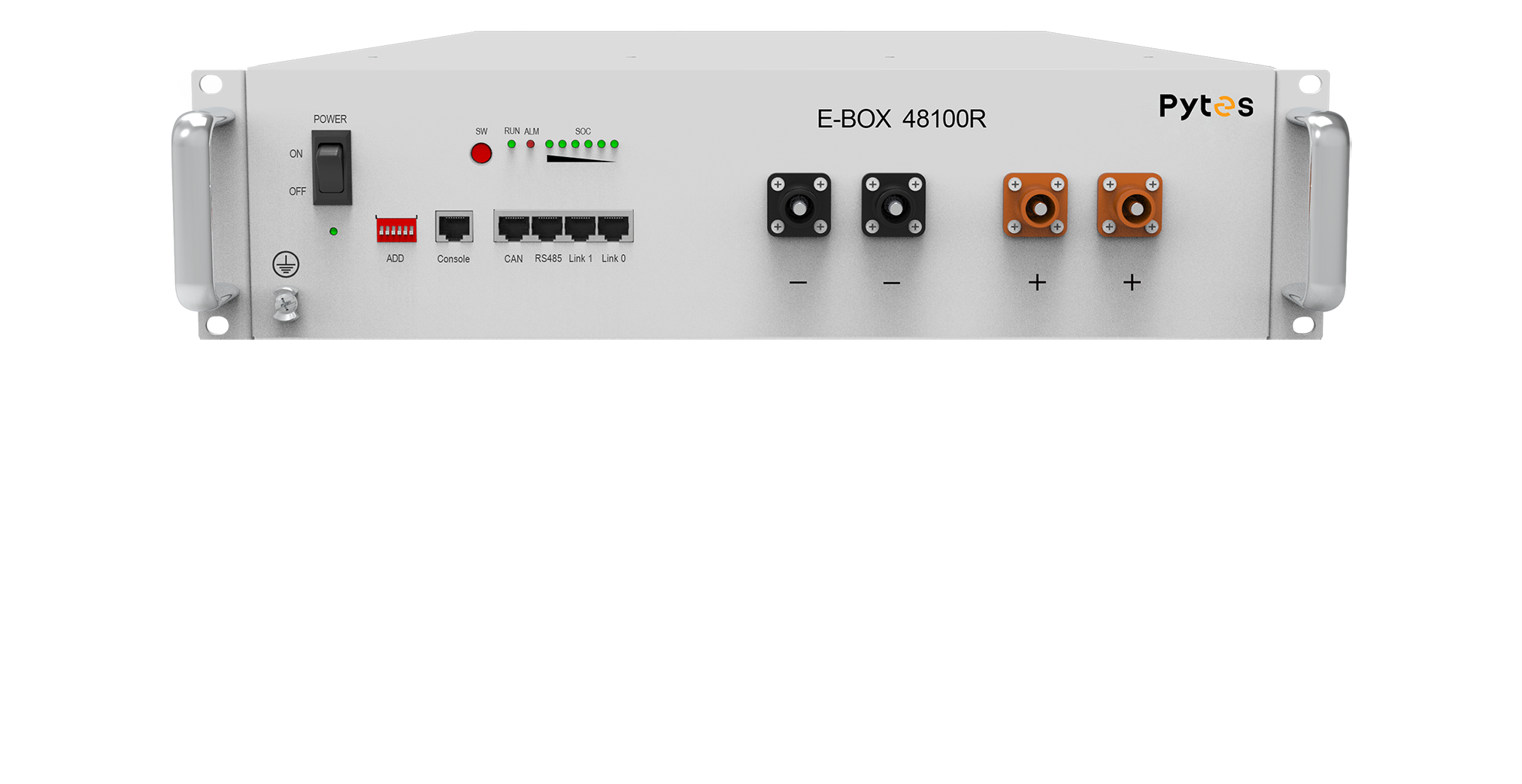
● Safety first: The products utilise lithium iron phosphate (LiFePO₄) cells, equipped with three-level BMS protection and intelligent management, and comply with international standards such as CEC listing, UL 9540A and IEC 62619.
● High-Voltage Products:
HV48100 SE: An outdoor energy storage cabinet featuring multi-level safety protection, delivering stable performance across a wide temperature range of -20°C to 60°C. It supports remote monitoring and parallel expansion, making it suitable for a variety of industry applications including hospitals and schools.
HV48300: A high-voltage energy storage solution for commercial and industrial applications, utilising top-tier battery cells and IP55 protection. Single-cabinet capacity can be expanded up to 215kWh, with support for multi-cabinet parallel operation.
PI STATION 261 EX: A liquid-cooled energy storage solution for commercial and industrial applications, utilising integrated Battery+PCS+EMS and multi-layer fire protection. Single-system capacity is 261.28kWh, with support for expansion up to 5.22MWh and a 10-year battery warranty.
Our High-Voltage Series demonstrates comprehensive strength in C&I energy storage — from modular outdoor cabinets to large-scale liquid-cooled systems. The HV48100 SE and HV48300 are currently undergoing CEC certification for seamless integration into the Australian market.

● Intelligent coordination: Supports multiple operating modes, including peak-off-peak scheduling, demand response and off-grid operation, and can integrate seamlessly with solar PV systems, diesel generators and data centres.
● Flexible deployment: Available in various configurations, including rack-mounted and modular units, with support for factory pre-commissioning and rapid on-site deployment, to suit different site conditions and expansion requirements.
Partnering with Australian stakeholders to build a sustainable computing ecosystem
The green transition of data centres is not merely a technical challenge, but a process requiring systematic collaboration and social consensus. Pytes therefore looks forward to working with Australian:
● Energy developers and electricity retailers: to jointly design integrated ‘renewable energy + energy storage’ power supply solutions.
● Data centre operators and cloud service providers: to tailor highly reliable, low-cost backup power and energy efficiency optimisation strategies.
● Policy makers and industry associations: to actively participate in standards discussions and drive the implementation of a ‘green data centre’ certification system.
● Communities and environmental organisations: to maintain transparent communication, ensuring environmental sustainability and social benefits throughout the project lifecycle.