Why does Australia's Solar Sharer Offer Actually Make Home Energy Storage Batteries More Valuable?
An increasing number of energy sector professionals point out that, for users without a home energy storage system, this policy may not necessarily lead to a genuine reduction in annual electricity bills; conversely, for households that have already installed energy storage batteries, it actually further enhances the economic value of their storage systems.
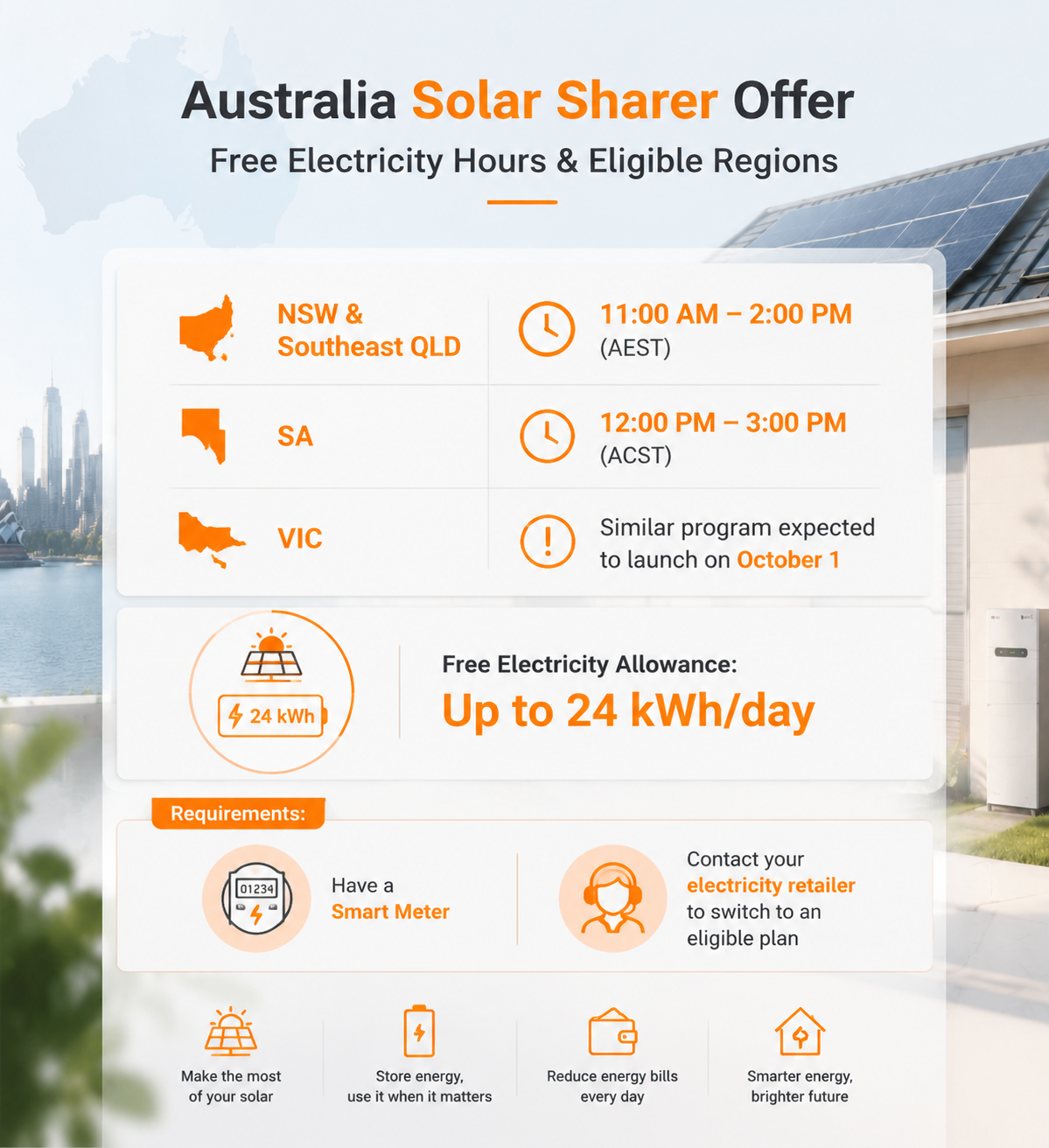
In recent years, Australia has been accelerating its energy transition. As the installed capacity of rooftop solar panels continues to grow, an increasing number of regions are experiencing a surplus of solar power during midday hours. To encourage residents to use electricity during periods when the grid has a surplus, some electricity retailers have successively launched schemes such as the 'Solar Sharer Offer', which provide electricity free of charge or at extremely low rates during specified time slots.
At first glance, this would seem to mean that households can enjoy lower electricity costs even without installing energy storage batteries.
But is this really the case?
An increasing number of energy sector professionals point out that, for users without a home energy storage system, this policy may not necessarily lead to a genuine reduction in annual electricity bills; conversely, for households that have already installed energy storage batteries, it actually further enhances the economic value of their storage systems.
Behind the promise of "free electricity" lies another side of the equation. Many households are asking: "If electricity is free at midday, will I be able to save significantly on my energy bills in the long run?" However, the more important question to consider is: "Will you actually be able to make effective use of this free electricity?" The answer is often not as optimistic as expected.
Electricity Prices Will Not Disappear — They Will Simply Be Redistributed
The real change brought by the "3 hours of free electricity" initiative is not the disappearance of electricity prices, but rather a shift in how electricity value is distributed throughout the day. And the households best positioned to benefit from this change are those equipped with a home energy storage system.
If several hours of free electricity are provided every day, retailers still need to maintain overall revenue. Therefore, they are more likely to adjust electricity pricing structures during other periods to balance the cost. For households without energy storage, the electricity savings gained during the daytime may simply be paid back through higher electricity costs in the evening.
Peak Household Electricity Usage Happens Outside the Free Electricity Period
This is particularly important because Australia’s household electricity demand typically peaks during the evening, including:
· Air conditioning and heating after returning home from work
· Evening cooking and meal preparation
· Hot water system operation
· Electric vehicle charging
· Laundry, drying, and other household appliances
Almost all of these activities occur outside the free electricity period.
If the gap between peak and off-peak electricity prices continues to widen, the additional cost of evening electricity consumption could even exceed the savings achieved during the daytime.
In other words: Without energy storage, you are simply shifting your electricity costs from daytime to nighttime.
However, if you have a home energy storage system, the situation changes completely. A battery system works like an "energy storage box" — capturing the cheapest or even free electricity available during midday and storing it for use when households actually need energy in the evening. Without this "storage box", a significant amount of free electricity may simply go unused or be wasted.
What Capabilities Should Your Battery Storage System Have to Truly Benefit from This Opportunity?
Not all energy storage systems are able to fully maximise the value of new electricity pricing policies. To truly take advantage of the "3 hours of free electricity" initiative and the future opportunities brought by smart energy networks, a high-quality home energy storage system should have several key capabilities.
Pytes energy storage systems are designed to address these challenges, helping homeowners maximise energy value, improve energy independence, and unlock greater long-term savings.
Intelligent Energy Management System (EMS)
A powerful EMS enables automatic energy management based on electricity pricing strategies:
· Automatically charging during free or low-cost electricity periods
· Automatically discharging during high-price periods
· Eliminating the need for users to manually adjust settings every day
By intelligently scheduling household energy usage, an advanced EMS ensures that every charge and discharge cycle is used more efficiently.
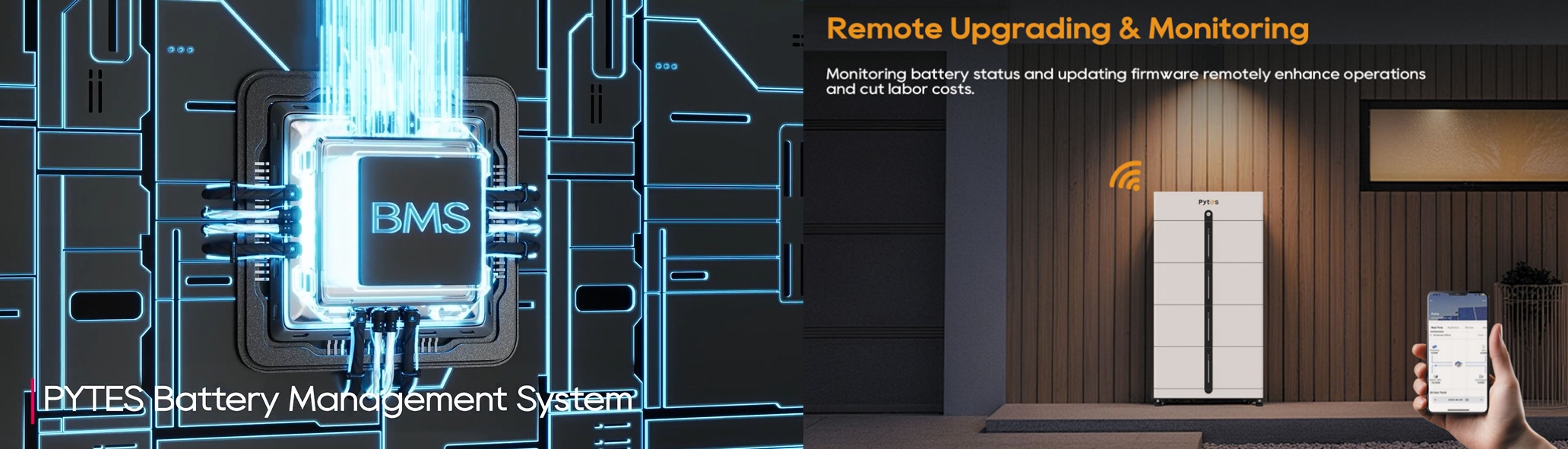
Pytes energy storage systems are equipped with a highly intelligent EMS that can seamlessly integrate with time-of-use electricity pricing signals from the grid. Through the mobile app, users can monitor and optimise their energy consumption in real time, gain instant visibility into energy usage, and implement the most efficient charging and discharging strategies.
This enables households to fully leverage opportunities such as the "3 hours of free electricity" initiative, making energy management truly automated, effortless, and cost-effective.
Sufficient Capacity and Longer Lifespan
If the battery capacity is insufficient, households may not be able to fully utilize the up to 24 kWh of free electricity, while still relying heavily on expensive grid power during evening peak hours. In general, a home energy storage system should provide enough usable capacity to cover the majority of household loads during evening peak periods, while supporting long-term, high-frequency cycling.
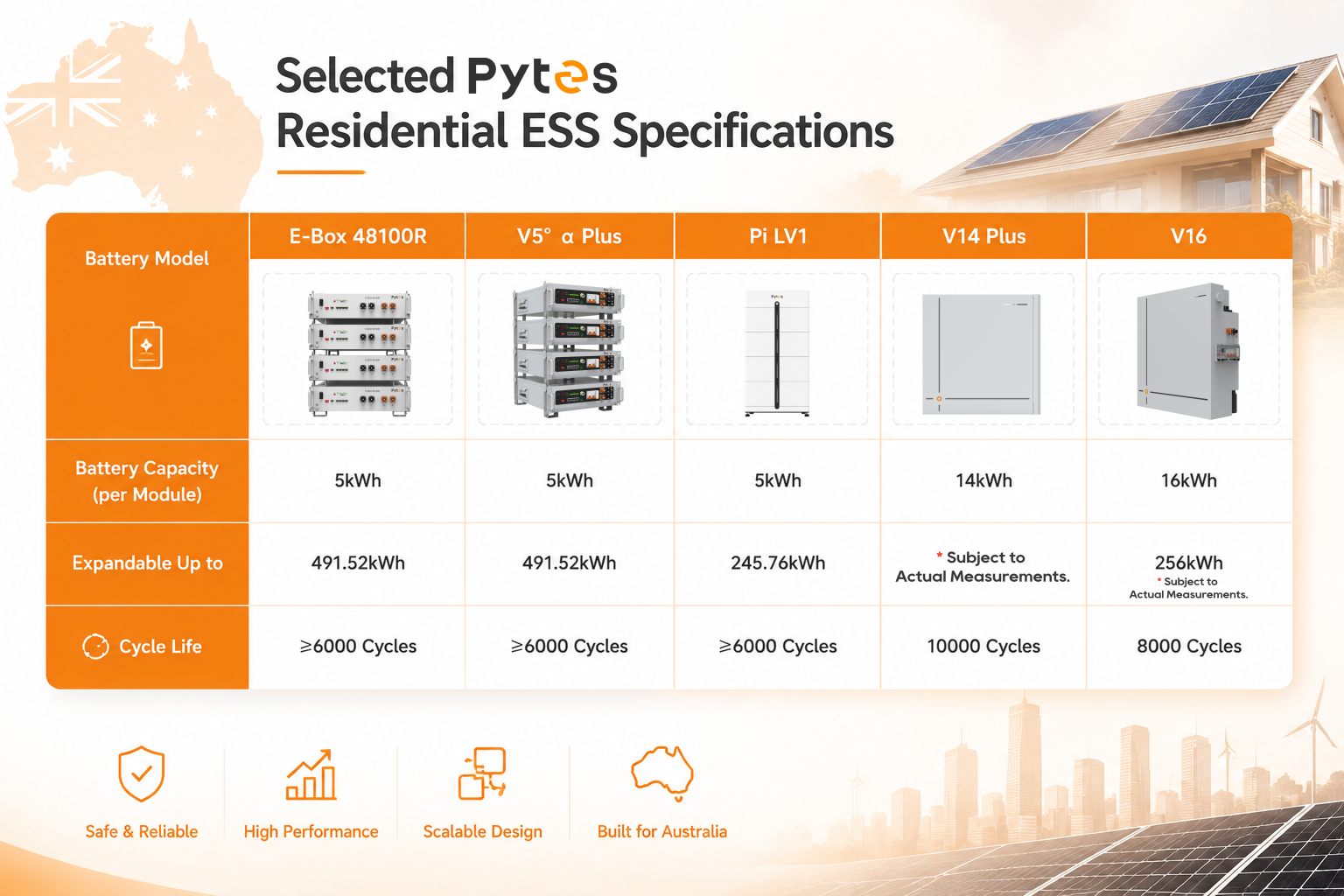
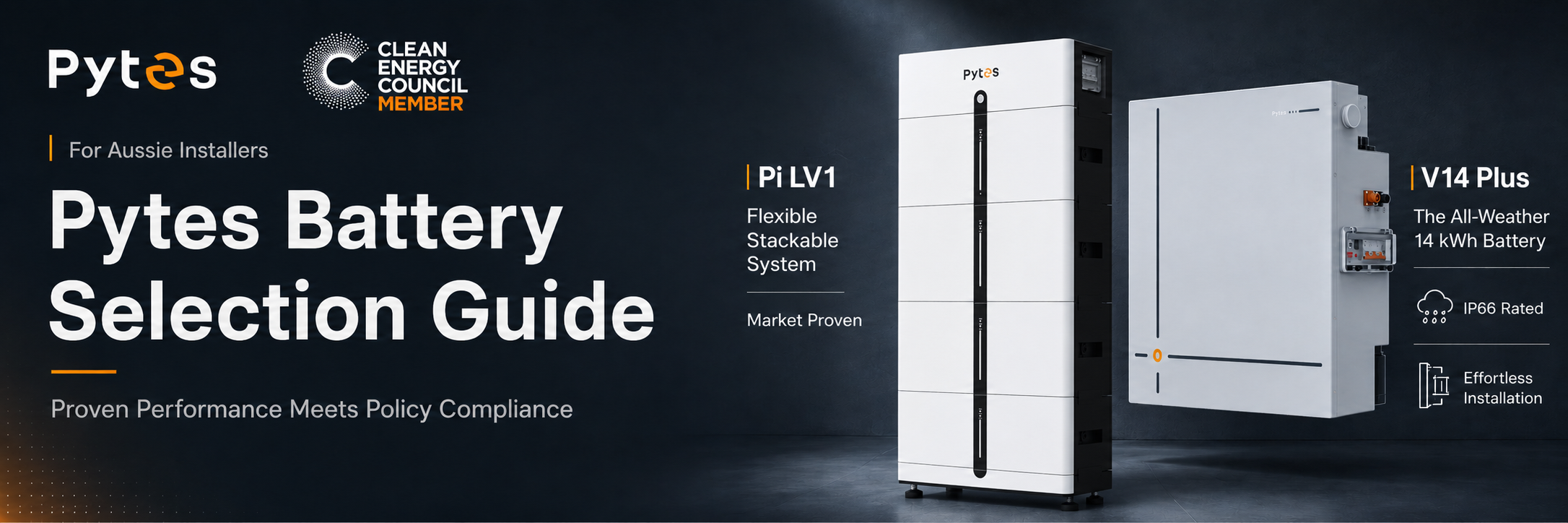
Pytes offers multiple residential battery capacity options, including 5 kWh, 14 kWh, and 16 kWh per battery module. Featuring a highly modular design, Pytes systems can be easily expanded to 24 kWh and beyond, perfectly matching the free electricity limit and the diverse energy needs of different households.
While ensuring sufficient energy capacity, all Pytes residential energy storage products utilize high-quality LiFePO₄ (Lithium Iron Phosphate) battery cells, delivering the following key advantages:
· Exceptional Cycle Life: Up to 6,000+ and 8,000+ cycles depending on the specific battery model;
· Long-Term Peace of Mind: Backed by a 10-year official warranty;
· CEC Listed: Outstanding safety performance and eligibility for relevant government incentives.
Even in scenarios requiring daily charging and discharging, or higher-frequency cycling, Pytes energy storage systems continue to deliver stable long-term performance, maximizing the use of every kilowatt-hour of free electricity and creating lasting value for households.
Safety Must Be the Top Priority
Especially under time-of-use electricity policies such as the "3 hours of free electricity" initiative, many households may choose to charge their batteries during low-cost or free electricity periods during the day and discharge stored energy during evening peak hours. This means the battery system needs to operate automatically for extended periods, often without direct supervision, while continuously managing charging and discharging cycles.
Therefore, a reliable safety design is not only essential for ensuring long-term system performance and durability, but also plays a critical role in protecting household members and residential environments.
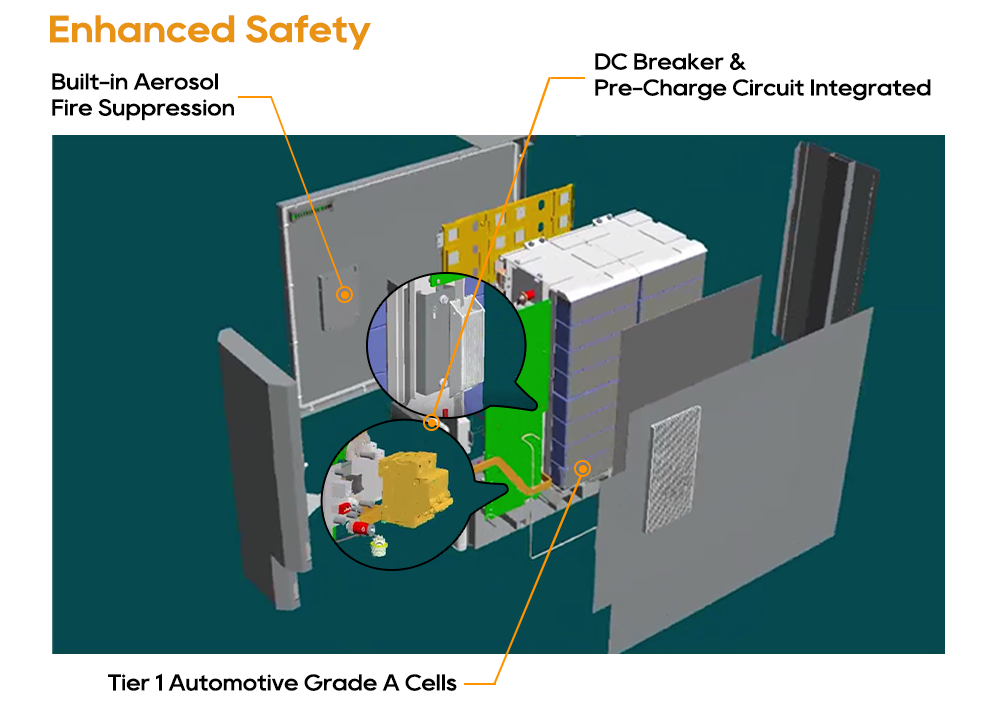
High-quality energy storage systems typically feature:
· Multi-level BMS (Battery Management System) protection;
· Real-time temperature monitoring;
· Overcharge, over-discharge, and overcurrent protection;
· Thermal runaway warning mechanisms;
· Comprehensive structural safety and protection design.
These intelligent safety mechanisms can detect potential risks and activate protective measures before abnormal conditions occur, ensuring stable and reliable operation even under frequent charging and discharging scenarios. This provides households with a safer and more dependable energy experience.
In terms of safety design, Pytes always considers "extreme safety" as the foundation of every product. Equipped with an industrial-grade intelligent BMS, Pytes battery systems provide multi-level protection from the cell level, module level, to system level, covering critical safety functions including over-temperature protection, overcurrent protection, short-circuit protection, and thermal runaway warnings.
Meanwhile, Pytes adopts high-standard flame-retardant materials combined with rigorous structural design and manufacturing processes. With multiple internationally recognised safety certifications, Pytes products provide continuous monitoring and proactive protection — whether automatically charging during the “3 hours of free electricity” period or discharging during evening peak demand hours.
From everyday energy consumption to intelligent energy management, Pytes is committed to delivering 24/7 all-around safety protection for households, enabling homeowners to fully capture the energy value created by smart electricity policies such as the "3 hours of free electricity" initiative, while enjoying peace of mind without concerns about battery safety.
"3 Hours of Free Electricity" Marks the Beginning of a Smarter and More Market-Oriented Energy Future for Australian Households
The "3 hours of free electricity" initiative represents the beginning of a more intelligent and market-driven energy era for Australian households.
In the future, electricity price fluctuations may continue to increase, while virtual power plants (VPPs) continue to expand. Home energy storage systems will play an increasingly important role in this evolving energy landscape.
For households, an energy storage system is no longer simply a battery. It can help reduce electricity costs during peak pricing periods, participate in future energy markets to create additional value, and enhance household energy security and long-term property value.
From this perspective, energy storage should be viewed as a long-term household energy asset, rather than a one-time consumer expense.
As a provider of home energy storage solutions, Pytes will continue to monitor the development of Australia’s energy policies and deliver reliable storage solutions that help more households improve energy efficiency, maximise energy value, and achieve a smarter, more cost-effective energy lifestyle.