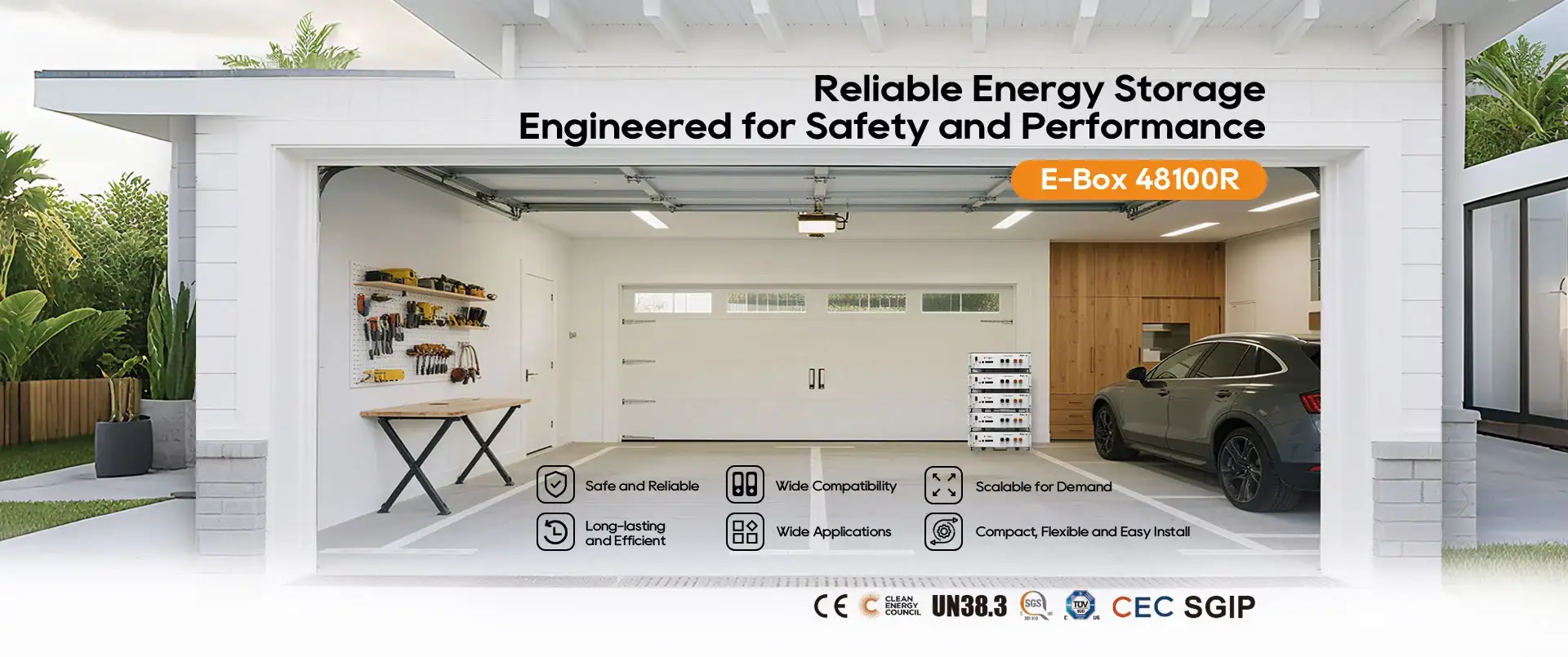
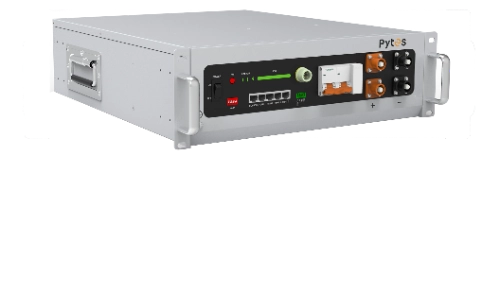
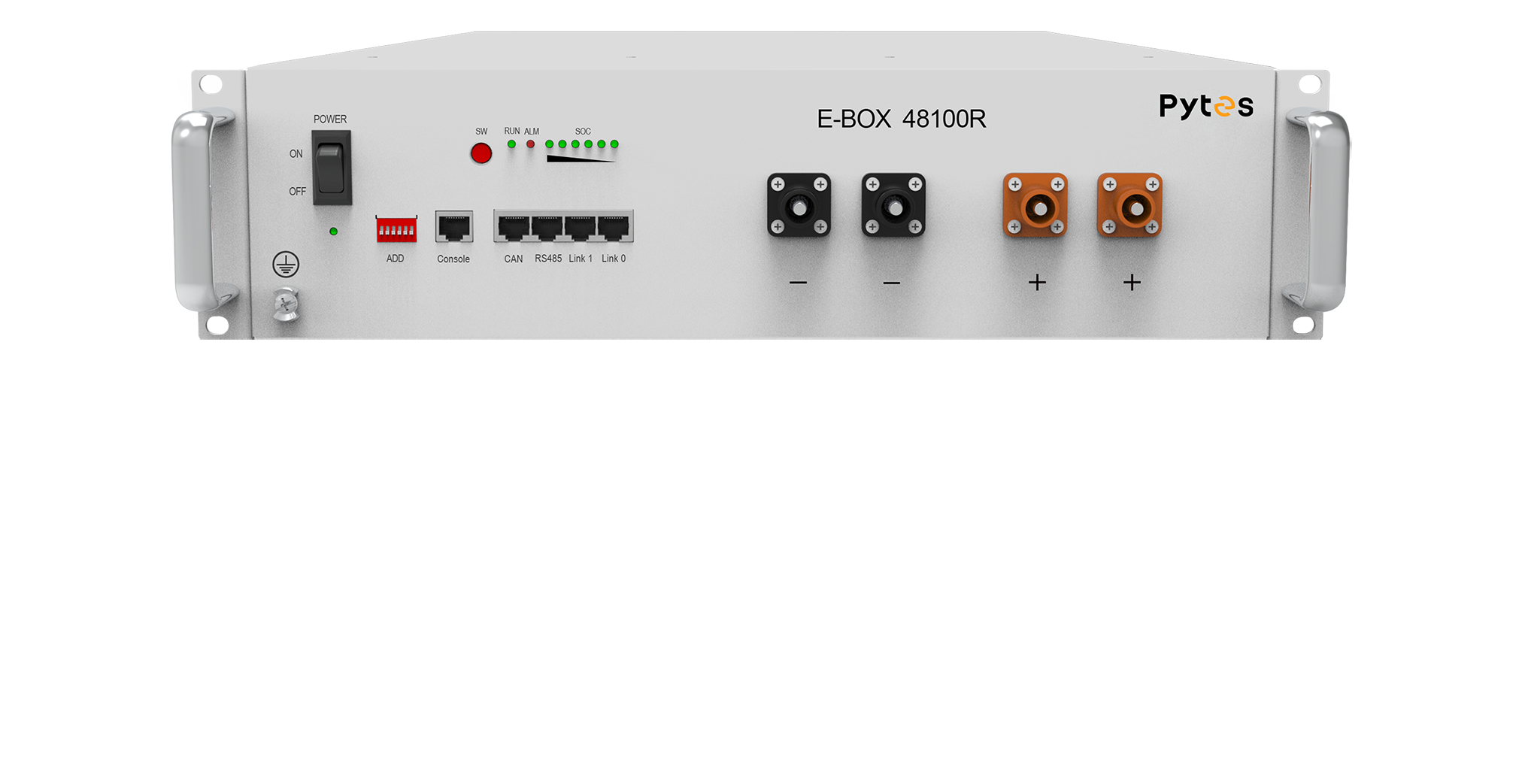
Home Energy Battery Storage: How to Choose the Right System for Your Home
Home energy battery storage allows homeowners to store electricity for use when solar panels stop generating power, electricity prices rise, or the grid experiences an outage.
Home energy battery storage allows homeowners to store electricity for use when solar panels stop generating power, electricity prices rise, or the grid experiences an outage. By combining a battery with a compatible inverter and energy management system, households can improve solar self-consumption, manage electricity costs, and maintain power for selected essential loads.
Choosing a home energy battery storage system requires more than comparing battery capacity. Usable energy, power output, battery chemistry, inverter compatibility, safety features, and installation requirements all determine how effectively a system meets household needs.
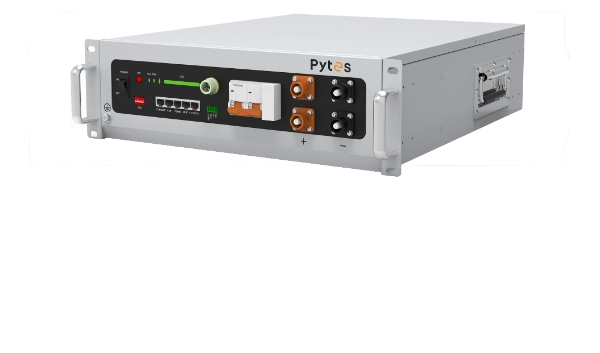
Key Specifications of a Home Energy Battery Storage System
The right battery system should match household electricity consumption, peak loads, backup requirements, and the available energy source. Understanding its core specifications helps prevent undersizing or paying for capacity that will rarely be used.
Battery Capacity and Usable Energy
Battery capacity, measured in kilowatt-hours (kWh), indicates how much energy a home energy battery storage system can store. Usable capacity represents the energy available for household consumption after accounting for the system's operating limits.
A household that needs to power essential appliances overnight may require a different capacity from one seeking to run most household loads during an extended outage. Estimating daily electricity use and identifying which appliances must remain operational provides a practical starting point.
Battery capacity should also be considered alongside solar generation, charging opportunities, and seasonal consumption patterns. A larger battery does not necessarily provide greater savings if the household cannot regularly charge and use the additional energy.
Power Output and Backup Performance
Battery capacity determines how much energy is available, while continuous power output determines how many appliances the system can run simultaneously. Surge power is also important for equipment such as pumps, refrigerators, and air conditioners that may draw additional power during startup.
Homeowners should distinguish between whole-home backup and essential-load backup. Whole-home backup requires sufficient power capacity, suitable switching equipment, and an electrical design that can support the intended circuits. Essential-load systems prioritize selected appliances to reduce battery and inverter requirements.
Battery Chemistry and Service Life
Lithium iron phosphate (LiFePO4 or LFP) batteries are widely used in residential energy storage because of their thermal stability and cycle-life characteristics. Other lithium-ion chemistries may offer different energy density or performance trade-offs.
Actual service life depends on cell quality, operating temperature, depth of discharge, charging conditions, and battery management. Buyers should compare the manufacturer's cycle-life test conditions, warranty duration, warranted energy throughput where specified, and end-of-warranty capacity requirements rather than relying on cycle-life figures alone.
How Home Energy Battery Storage Works with Solar Power and the Grid
A home energy battery storage system manages electricity flows between solar panels, the battery, household loads, and the utility grid. Its operating behavior depends on inverter configuration, control settings, utility rules, and whether backup functionality is installed.
Solar Charging and Self-Consumption
During daylight hours, solar panels can supply household loads and charge the battery with surplus generation. When solar output declines, stored electricity can supply the home, reducing the need to purchase electricity from the grid.
The benefit depends on the relationship between solar production and household demand. Homes that use substantial electricity in the evening may gain more from storing surplus daytime generation than households that consume most of their solar power directly.
Time-of-Use Electricity Rate Management
Where utilities offer time-of-use tariffs, a battery can store electricity during lower-cost periods and discharge during higher-cost periods. Depending on the tariff and system configuration, it may also help manage demand charges or reduce peak grid consumption.
Savings depend on the difference between electricity prices, battery efficiency, charging sources, and applicable export compensation. Homeowners should calculate expected savings using their actual utility rates rather than assuming that battery storage automatically lowers electricity bills.
Backup Power During Grid Outages
Not every solar-plus-battery installation can provide backup power during a grid outage. The system generally needs appropriate backup hardware and controls to isolate the home safely from the utility grid.
Some systems can continue powering selected loads from the battery, while compatible configurations may also allow solar panels to recharge the battery during an outage. Buyers should verify backup power limits, transfer behavior, supported operating modes, and black-start capability where relevant.
Safety and Installation Requirements for Home Energy Battery Storage
Battery safety depends on cell design, battery management, system integration, installation quality, and compliance with local electrical and fire codes. These requirements should be assessed before purchasing equipment.
Battery Management and Thermal Protection
A battery management system (BMS) monitors operating conditions such as cell voltage, current, and temperature. Depending on the design, it can help prevent overcharging, excessive discharge, overcurrent, and operation outside permitted temperature limits.
Home energy battery storage products should also have appropriate protection against short circuits and other electrical faults. Buyers should request product safety documentation and verify that the complete system, not just the battery cells, meets the requirements applicable to the installation.
Installation Location and Electrical Compatibility
Battery placement affects temperature exposure, ventilation requirements, accessibility, and compliance with fire-safety rules. Indoor and outdoor installations may have different enclosure, clearance, and environmental protection requirements.
Compatibility must be confirmed between the battery, inverter, communication protocol, and energy management controls. A battery's nominal voltage alone does not guarantee compatibility. The approved equipment list and manufacturer documentation should identify supported combinations.
Certification and Regulatory Compliance
Certification requirements vary by market and system type. In the United States, relevant requirements may include UL 9540 for energy storage systems and UL 1973 for stationary battery applications, along with installation requirements under applicable electrical and fire codes. UL 9540A is a test method used to evaluate thermal runaway fire propagation characteristics; it is not itself a product certification.
In Australia, homeowners should verify applicable local installation rules, approved equipment requirements, and current Clean Energy Council guidance where relevant. Certification or listing should be confirmed for the actual product model and intended system configuration.
How to Choose the Right Home Energy Battery Storage System
A suitable system balances usable capacity, power output, safety, compatibility, and total ownership cost. Comparing these factors against household consumption and installation conditions helps identify a practical solution.
Match Battery Size to Household Energy Needs
Review electricity bills to determine average daily consumption and identify major loads, such as heating, cooling, water heating, and electric vehicle charging. Then estimate how much electricity needs to be shifted from solar hours to evening use and how much backup energy is required during an outage.
For example, a household seeking to power essential appliances overnight may need less storage than one expecting to operate air conditioning and other high-demand equipment during a prolonged outage. Battery capacity and inverter output should therefore be sized separately.
Compare Efficiency, Warranty, and Expandability
Round-trip efficiency indicates how much energy can be recovered after charging and discharging. Higher efficiency generally means less energy is lost during storage, although actual performance varies with power level, temperature, and operating conditions.
Check the warranty period, throughput limits, retained-capacity commitment, and exclusions. If household demand may increase, confirm whether additional battery modules can be added later and whether expansion requires compatible firmware, inverters, or other equipment changes.
Evaluate Total Cost and Installer Support
The total cost of home energy battery storage includes the battery, inverter where needed, backup switching equipment, installation labor, electrical upgrades, permits, and ongoing maintenance. Incentives and utility programs may affect the final investment, but eligibility depends on location and current program rules.
Choose a qualified installer or system supplier that can provide load assessment, equipment compatibility checks, commissioning, monitoring setup, and warranty support. A detailed proposal should explain the expected operating modes and estimated financial benefits using realistic assumptions.
Conclusion
Home energy battery storage can improve solar self-consumption, support electricity-rate management, and provide backup power when the system is designed for those functions. The most suitable solution depends on usable capacity, continuous power output, battery chemistry, system compatibility, safety requirements, and household energy patterns.
Before purchasing, compare the system's technical specifications and warranty conditions, confirm applicable certifications, and obtain an installation proposal based on your actual electricity use. This approach helps ensure the battery system delivers practical value rather than simply adding storage capacity.