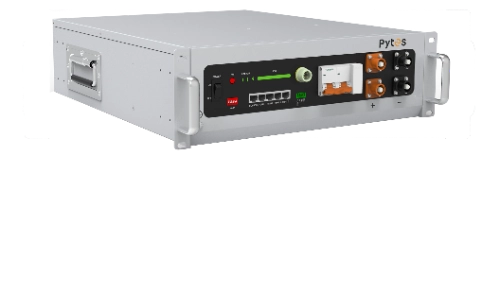
ESS Battery: Key Technologies Shaping Modern Energy Storage Systems
An ESS battery enables electricity to be stored and released according to changing energy demand.
An ESS battery enables electricity to be stored and released according to changing energy demand. It plays an important role in solar energy storage, commercial power management, and grid-connected energy projects where reliable power delivery and efficient energy use are essential.
For energy storage integrators and equipment buyers, battery performance depends on cell chemistry, usable capacity, safety controls, and compatibility with the wider system. Understanding these factors helps businesses evaluate ESS battery solutions for their specific operating requirements.
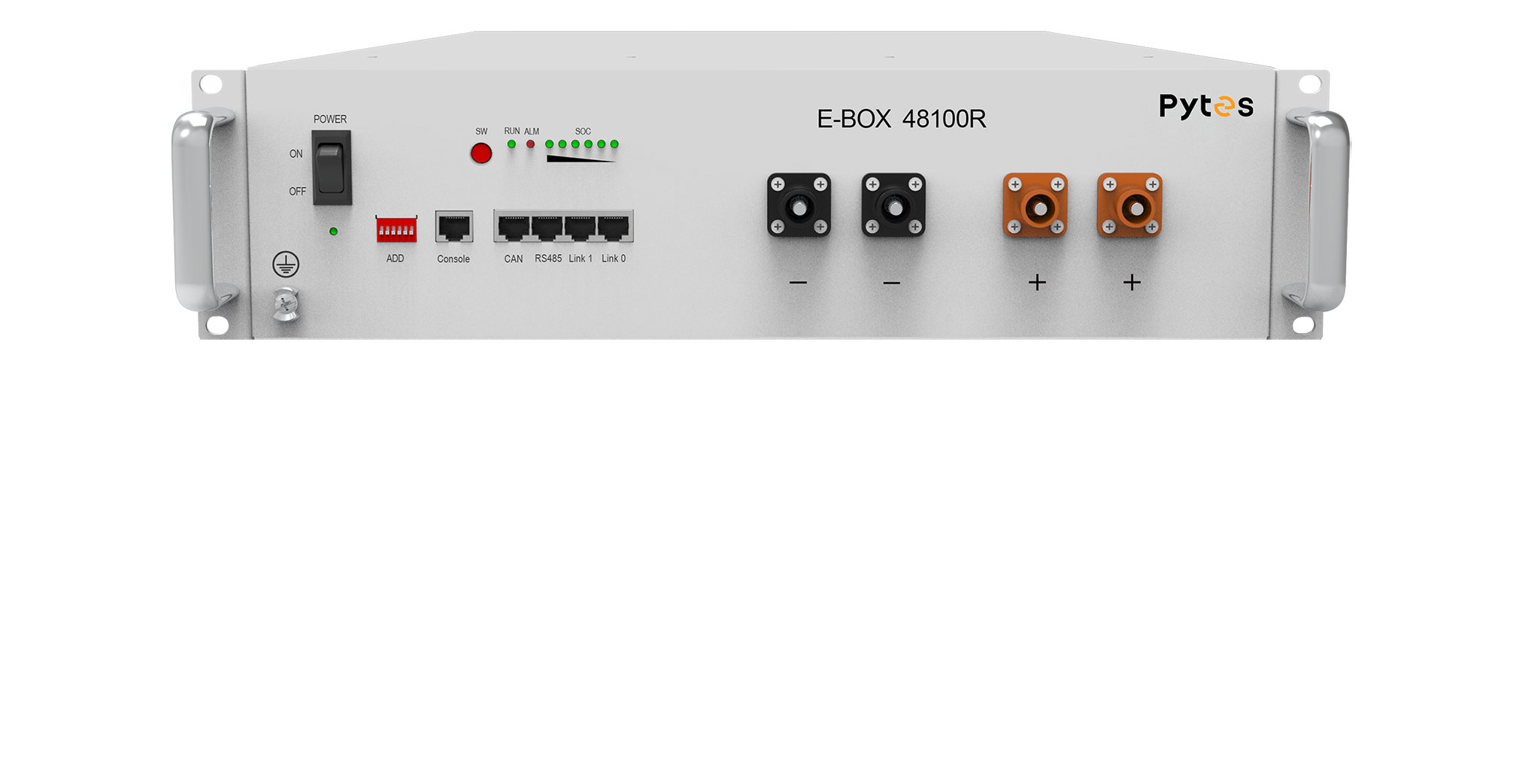
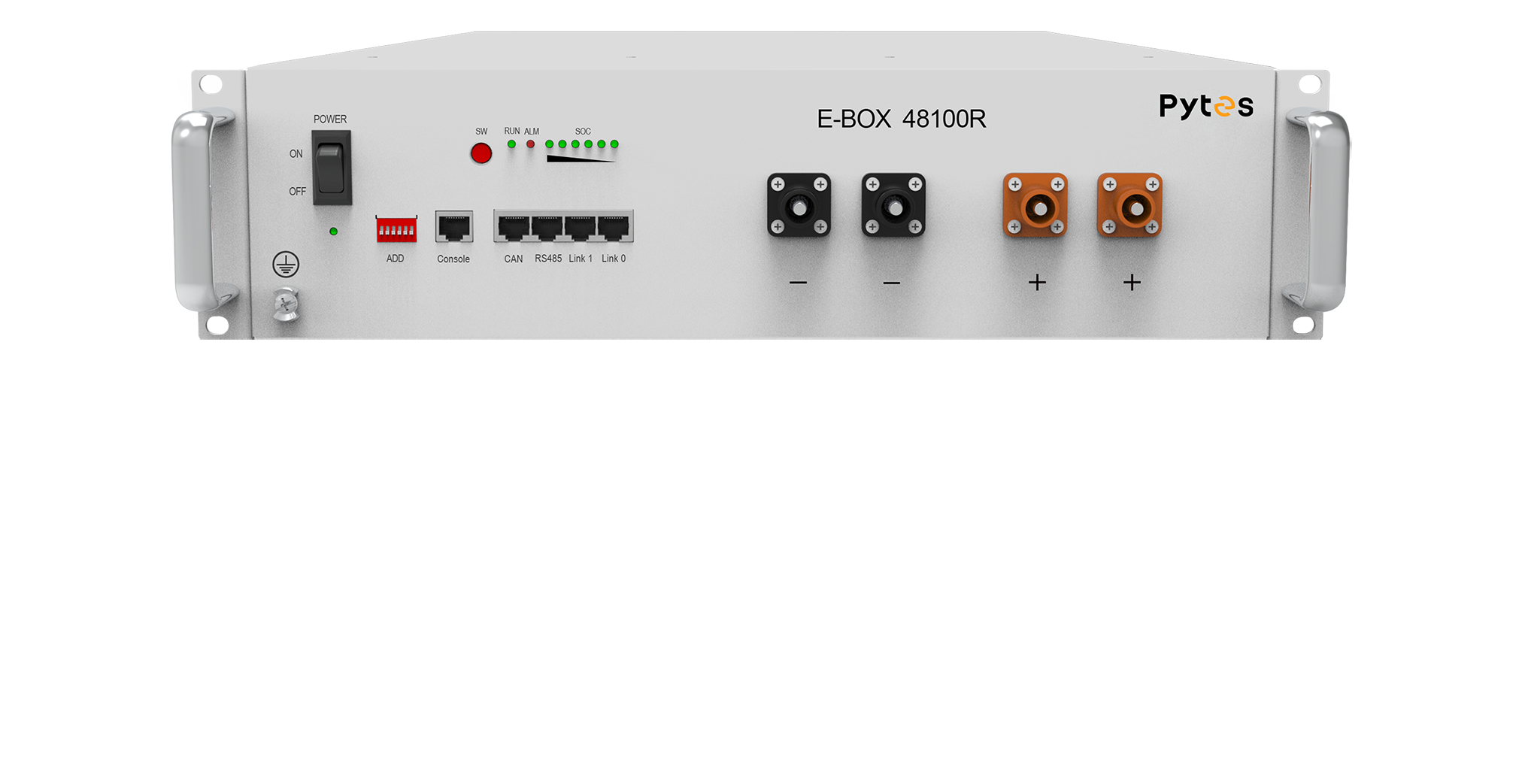
ESS Battery Technology and Energy Storage Performance
Battery chemistry affects energy density, cycle life, thermal behavior, and operating costs. Lithium iron phosphate (LFP) is widely used in stationary energy storage because of its thermal stability and durability under suitable operating conditions.
Battery Chemistry and Service Life
LFP batteries are commonly used in commercial and industrial energy storage systems. Their cycle life depends on factors such as operating temperature, depth of discharge, charge rate, and battery management.
Actual service life should be assessed using the manufacturer's cycle-life data and warranty conditions, rather than a single headline cycle count.
Usable Capacity and Discharge Duration
Rated energy capacity indicates how much energy a battery can store, while usable capacity reflects the portion available within specified operating limits.
Discharge duration depends on usable capacity and output power. Buyers should also account for conversion losses, auxiliary consumption, and reserve capacity when estimating the energy available to a facility.
ESS Battery Safety and Intelligent Management
Safe battery operation requires coordinated monitoring, electrical protection, and thermal management. These functions help maintain operating conditions within the battery's specified limits.
Battery Management System Monitoring
A battery management system (BMS) monitors cell voltage, current, and temperature. Depending on its design, it can estimate state of charge, balance cells, and trigger protective actions when abnormal conditions occur.
Compatibility between the BMS, power conversion system (PCS), and energy management system (EMS) is important for reliable charging, discharging, and fault response.
Thermal Control and Fire Protection
Battery temperature affects performance, degradation, and safety. Air cooling or liquid cooling may be used depending on system capacity, heat generation, and installation conditions.
Project design should also address fire detection, thermal runaway mitigation, electrical isolation, and emergency procedures according to applicable standards and local requirements.
ESS Battery Applications in Renewable Energy and Industry
ESS batteries support different energy management strategies depending on how electricity is generated, consumed, and delivered. System capacity and power ratings should reflect the intended operating profile.
Solar Energy Storage and Self-Consumption
Solar installations often generate the most electricity during daylight hours, while demand may continue into the evening. An ESS battery stores surplus solar energy for later use, helping facilities increase on-site energy utilization.
Battery sizing should consider solar generation data, daily consumption, and the desired discharge period to avoid paying for unnecessary storage capacity.
Commercial and Industrial Power Management
Commercial and industrial users may deploy ESS batteries for peak shaving, demand management, backup support, or other eligible energy services.
The appropriate configuration depends on peak demand, load fluctuations, required backup duration, and local electricity tariffs. These operating requirements influence both battery power and energy capacity.
ESS Battery Integration, Certification, and Procurement
An ESS battery must work reliably with the surrounding electrical equipment and comply with the requirements of its installation market. Procurement decisions should consider the complete system rather than battery cells alone.
System Compatibility and Technical Specifications
Buyers should verify DC voltage range, charge and discharge current, communication protocols, PCS compatibility, and environmental operating limits.
Relevant requirements may include UL 1973 for stationary batteries and UL 9540 for energy storage systems and equipment in applicable markets. The specific certification scope and local code requirements should be confirmed for each project.
Warranty and Lifecycle Support
Warranty terms should clearly state capacity-retention thresholds, permitted operating conditions, throughput limits where applicable, and the process for handling faults.
Manufacturing traceability, commissioning support, remote monitoring, and replacement planning also affect the long-term value of an ESS battery installation.
Conclusion
An ESS battery supports efficient energy storage through suitable battery chemistry, intelligent management, and coordinated system integration. Evaluating usable capacity, safety requirements, operating conditions, and lifecycle support helps buyers identify solutions that fit their energy storage objectives.

-
<
Previous
-
>
Next