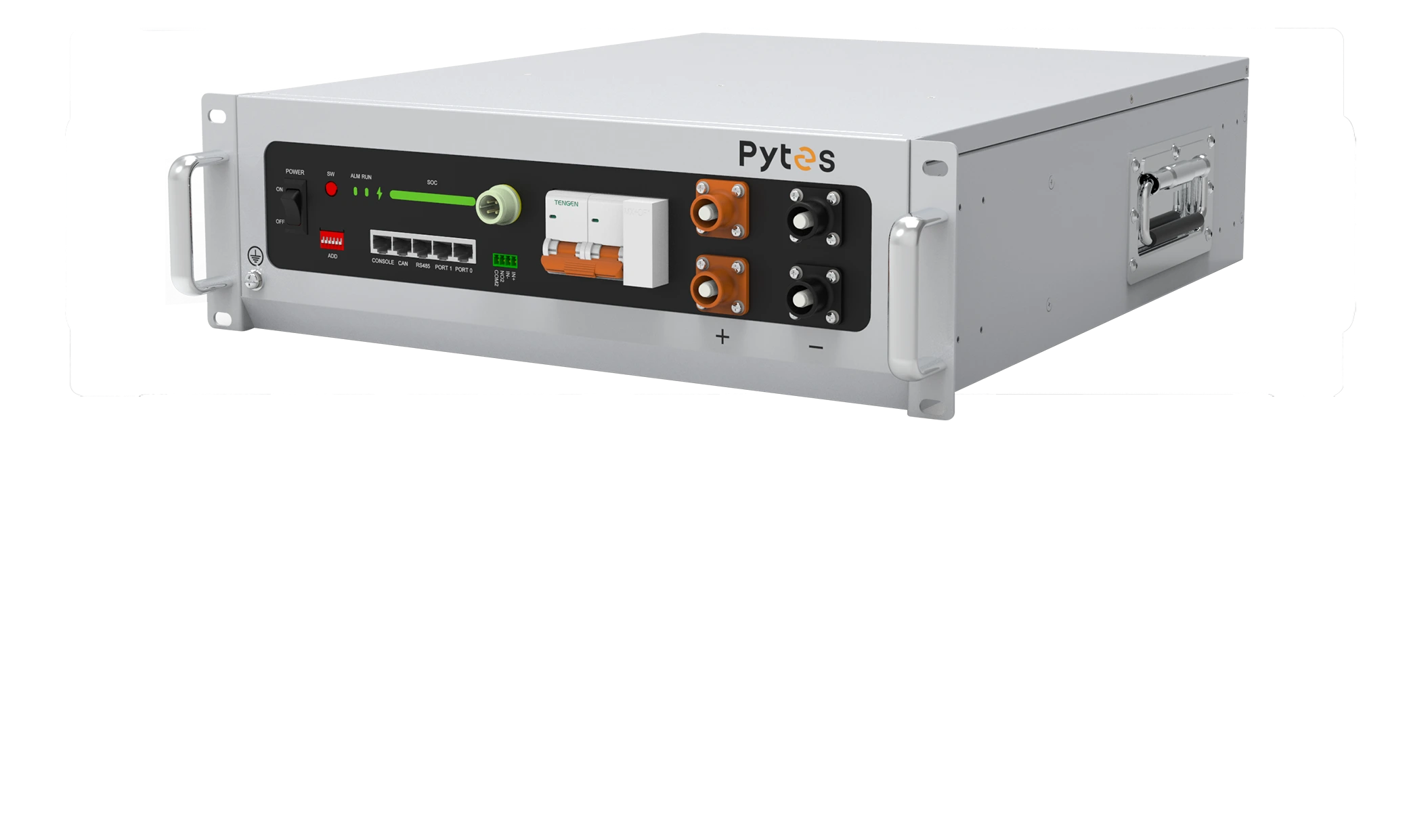
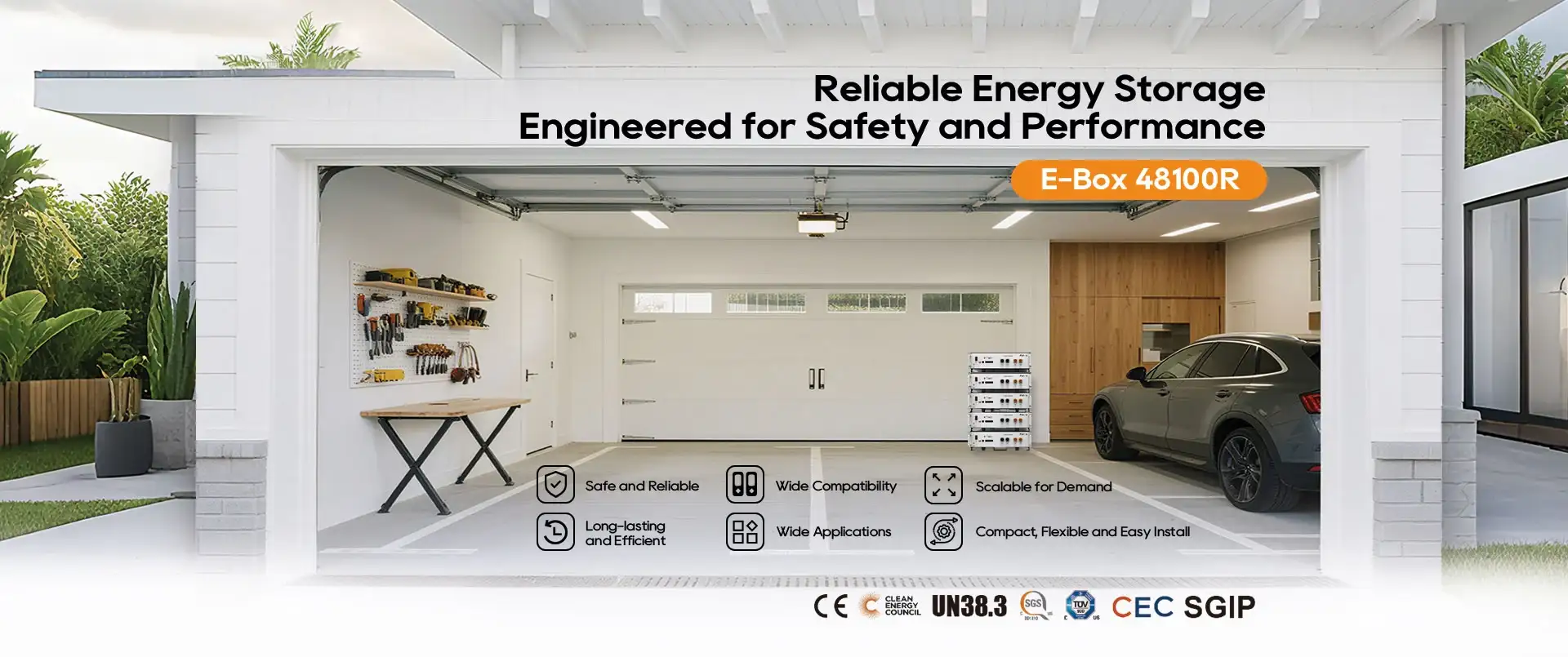
Is a Residential Solar Battery System Worth It for Australian Homes?
With rooftop solar widely used across Australia, more homeowners are considering a residential solar battery system to store surplus solar energy for later use.
With rooftop solar widely used across Australia, more homeowners are considering a residential solar battery system to store surplus solar energy for later use. The right battery can improve solar self-consumption, reduce reliance on grid electricity and support greater household energy flexibility.
Before investing, however, homeowners should understand how battery storage works, what benefits it can provide and which specifications matter most.
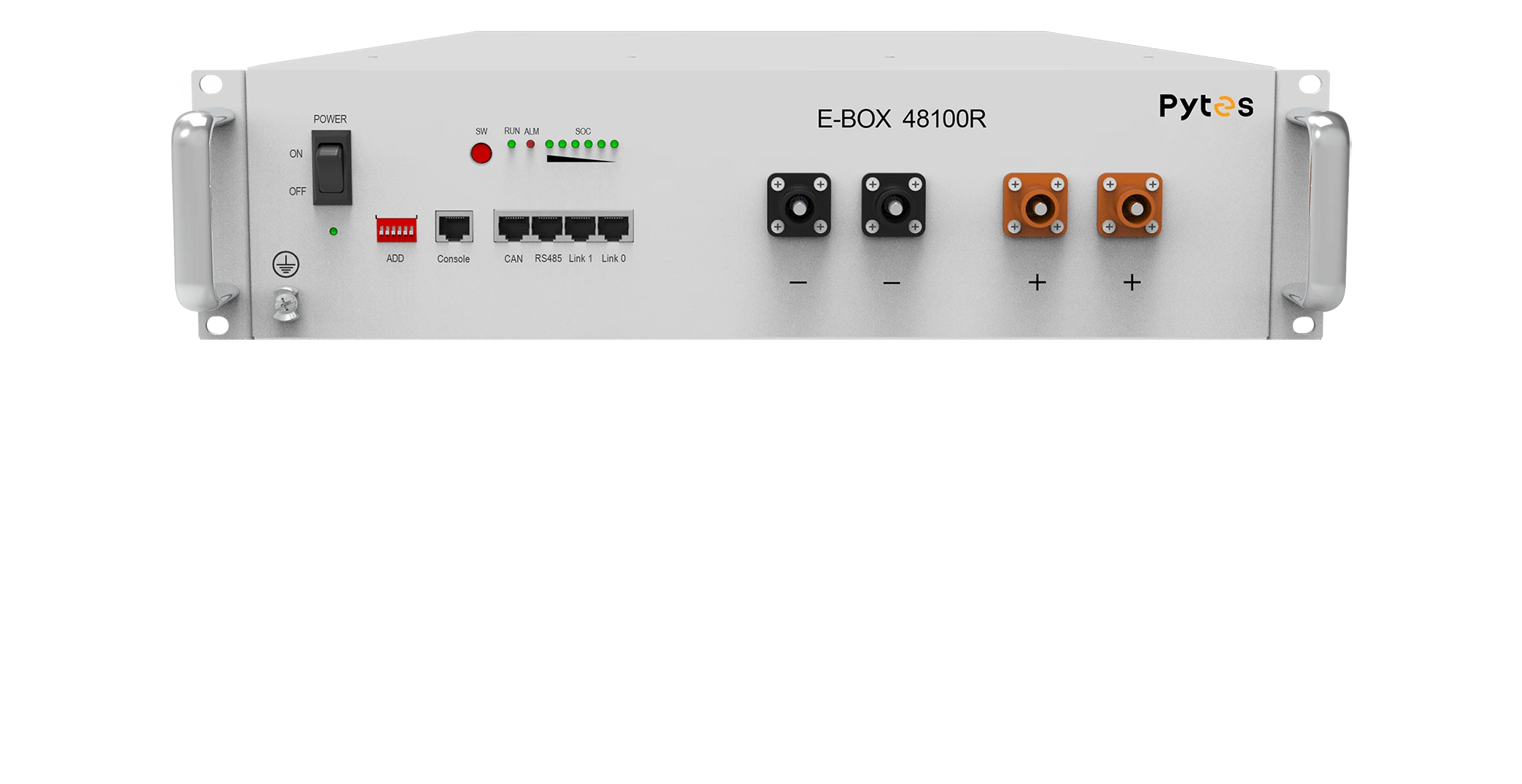
How Does a Residential Solar Battery System Work?
A residential solar battery system stores surplus electricity generated by rooftop solar panels and makes that energy available when solar production is low or household electricity demand increases.
Solar Generation, Storage and Discharge
During the day, solar energy is first used to power household appliances. When generation exceeds demand, a residential solar battery system can store the available surplus energy instead of sending all of it to the grid.
Later, the stored electricity can be discharged in the evening, overnight or during periods of lower solar generation.
AC-Coupled and DC-Coupled Systems
A residential solar battery system may use either an AC-coupled or DC-coupled design.
AC-coupled systems are often suitable for existing solar installations, while DC-coupled systems are commonly considered for new solar-plus-battery projects. The right option depends on inverter compatibility, system design and future energy requirements.
Why Choose a Residential Solar Battery System for Australian Homes?
A residential solar battery system can help homeowners use more of the electricity generated by their own solar panels instead of relying solely on the grid after sunset.
Increase Solar Self-Consumption
Without battery storage, excess daytime solar energy may be exported to the grid. A residential solar battery system stores part of this surplus electricity so it can be used later when household demand is higher.
This can increase the proportion of solar energy consumed directly within the home.
Reduce Reliance on Grid Electricity
A residential solar battery system can reduce grid imports during periods when stored solar energy is available.
For homes using time-of-use tariffs, compatible systems may also help shift electricity consumption away from higher-price periods, depending on system settings and household usage patterns.
Provide Backup Power
Some residential solar battery system configurations can provide backup electricity during grid outages.
Backup capability depends on battery output, inverter design, usable capacity and the number of circuits connected to the backup supply. Homeowners should confirm these specifications before installation.
How to Choose the Right Residential Solar Battery System
Choosing the right residential solar battery system involves more than comparing battery capacity. Power output, usable energy, chemistry, efficiency, compatibility and warranty all affect long-term performance.
Battery Capacity and Usable Energy
The capacity of a residential solar battery system is usually measured in kilowatt-hours.
The best size depends on available surplus solar generation and the amount of electricity the household uses in the evening and overnight. Oversizing a battery may lead to unused capacity, while undersizing can limit available stored energy.
Battery Chemistry and Safety
Many modern residential solar battery system products use lithium iron phosphate, also known as LFP or LiFePO4.
LFP is widely used in stationary storage because of its thermal stability and cycle-life characteristics. Overall safety also depends on battery management, electrical protection, enclosure design, manufacturing quality and correct installation.
Power Output and Efficiency
A residential solar battery system should provide enough output power to support the household loads it is expected to serve.
Battery capacity shows how much energy can be stored, while power output shows how much electricity can be delivered at one time. Efficiency is also important because some energy is lost during charging, conversion and discharge.
Compatibility and Expandability
A residential solar battery system must be compatible with the home's solar array, inverter and energy management equipment.
Modular systems may also allow additional battery capacity to be added later, which can be useful if household electricity demand increases after installing an EV charger, heat pump or other major electrical loads.
What to Consider Before Installing a Residential Solar Battery System
Before installing a residential solar battery system, homeowners should review their energy consumption, solar generation, installation environment and long-term ownership requirements.
Review Household Energy Usage
A residential solar battery system should be sized according to actual household electricity consumption.
Historical electricity bills and solar monitoring data can help identify how much surplus solar energy is available for storage and how much electricity is typically required after sunset.
Assess the Installation Location
The installation location of a residential solar battery system can influence safety, performance and battery life.
Temperature, direct sunlight, ventilation, moisture exposure, clearances and physical protection should all be considered according to applicable requirements and manufacturer instructions.
Check Warranty and After-Sales Support
The warranty for a residential solar battery system should be reviewed beyond the advertised number of years.
Homeowners should consider retained capacity, operating limits, throughput conditions and warranty exclusions, together with the availability of technical and after-sales support.
Choose a Qualified Installer
A residential solar battery system requires correct electrical design, protection equipment and professional installation.
Australian homeowners should use appropriately qualified professionals and ensure the equipment and installation comply with relevant requirements for their location.
Conclusion
A residential solar battery system can help Australian households store more solar energy, increase self-consumption and reduce dependence on grid electricity.
The right system should match the home's actual energy profile, solar generation, power requirements and future needs. By comparing capacity, safety, compatibility, efficiency and warranty together, homeowners can make a more informed battery storage decision.