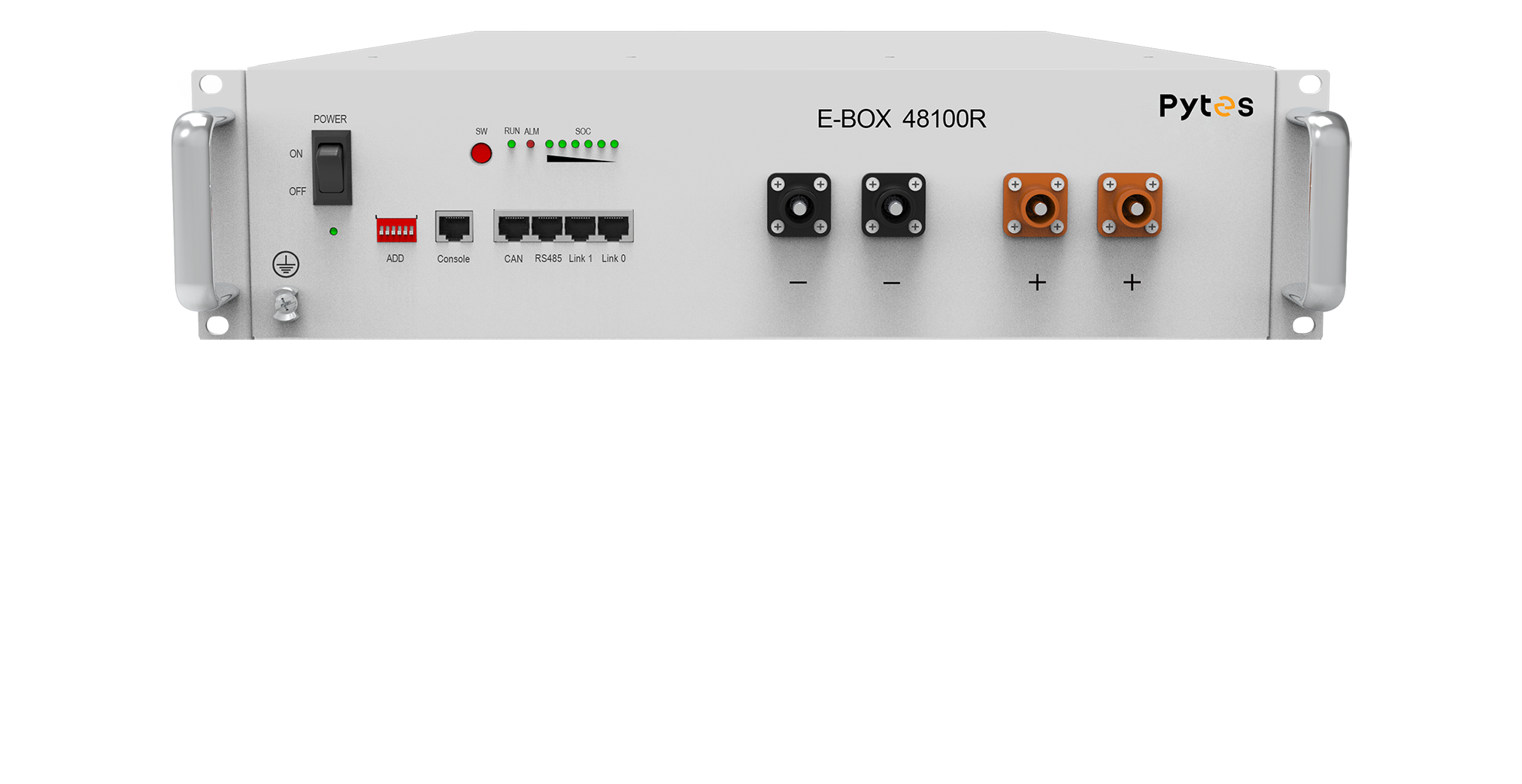
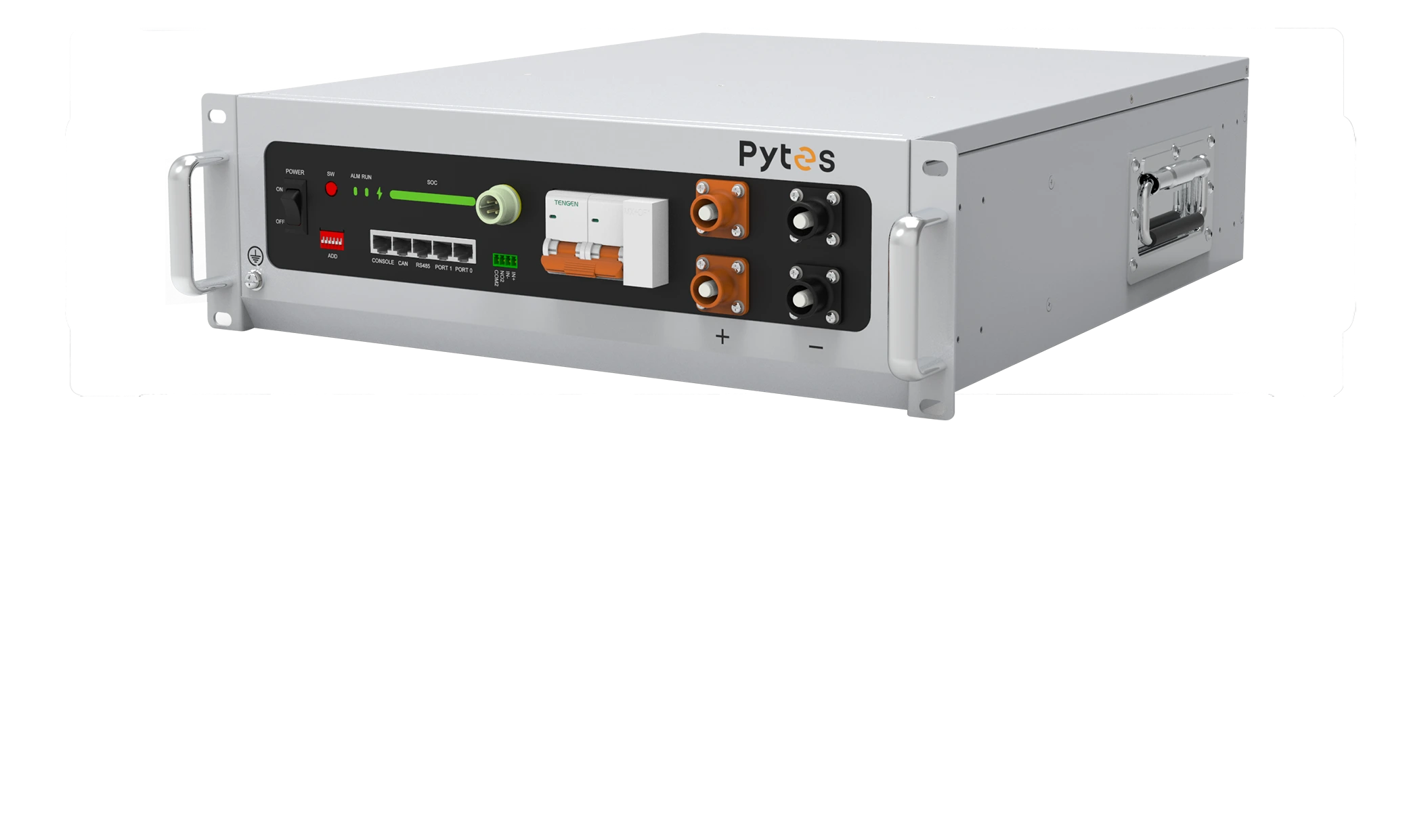
Home Energy Storage Battery: Key Considerations for Australian Residential Systems
A home energy storage battery can support household energy management by storing electricity for later use, but residential battery systems also need to meet specific Australian safety, installation, and product compliance requirements.
Australia’s growing residential solar market is creating stronger demand for reliable energy storage. A home energy storage battery can support household energy management by storing electricity for later use, but residential battery systems also need to meet specific Australian safety, installation, and product compliance requirements.
For manufacturers serving the Australian market, product design cannot be separated from certification, installation conditions, documentation, and system integration. Understanding these requirements is essential when developing a CEC-approved residential energy storage solution.
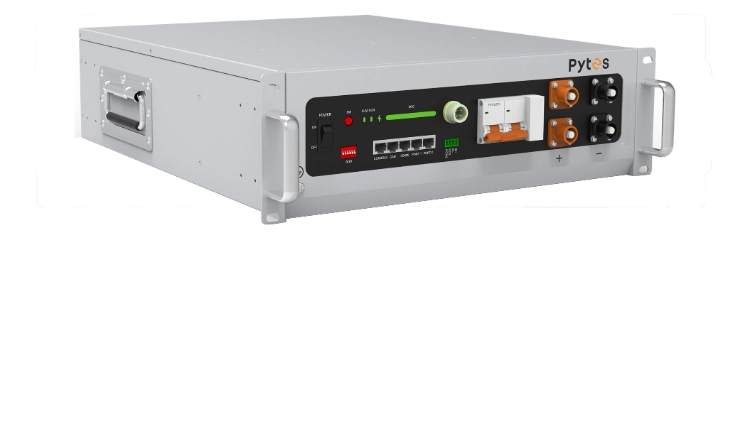
Home Energy Storage Battery Requirements in the Australian Market
The Australian residential storage market places significant attention on product safety and compliance. The Clean Energy Council maintains an Approved Batteries list for products that meet applicable requirements for use in solar and battery storage systems. CEC-approved products are also relevant to certain government programs, network requirements, and the Small-scale Renewable Energy Scheme.
CEC Approved Battery Considerations
For manufacturers, CEC approval is more than a marketing specification. Battery products must be supported by the required testing, certification, technical documentation, installation information, and warranty documentation as part of the approval process. CEC states that battery applications are reviewed against applicable product requirements and that certification must come from an IEC or JAS-ANZ-accredited certification body for the relevant assessment pathway.
A home energy storage battery intended for Australia should therefore be developed with certification requirements considered from the early engineering stage rather than treated as a final step before market entry.
Transition Toward SA TS 5398
Australia’s battery product requirements are currently transitioning toward SA TS 5398:2025, Electrical Energy Storage Equipment – Safety Requirements. The technical specification was published in October 2025 and is being phased into the CEC Approved Batteries requirements. From 1 January 2027, CEC says new battery applications will only be accepted under SA TS 5398, while existing products approved under the previous Best Practice Guide are scheduled to expire from the approved list by 31 December 2027.
For manufacturers, this transition makes forward-looking certification planning increasingly important when developing new residential battery models.
Installation Planning for Residential Battery Storage
Product certification and installation compliance are closely connected. A home energy storage battery must be integrated into a residential electrical system according to the requirements applicable to the installation, equipment, location, and system configuration.
Coordination With AS/NZS 5139
AS/NZS 5139:2019 provides safety and installation requirements for battery systems used with power conversion equipment. Standards Australia describes the standard as covering battery systems connected to power conversion equipment for supplying AC and DC power.
For manufacturers, this means product documentation should give installers the technical information needed to correctly understand the battery system and its installation requirements. CEC documentation guidance, for example, identifies battery-specific information such as total storage capacity, manufacturer or Australian representative details, battery identification information, commissioning information, alarm responses, risk assessment information, and decommissioning procedures.
Installation Environment and System Coordination
Residential battery installations can differ significantly depending on the property layout, equipment location, electrical architecture, and local requirements. Battery enclosure design, connection interfaces, ventilation considerations, protection measures, and installation clearances therefore need to be addressed as part of the complete system design.
A manufacturer should provide clear installation instructions rather than relying on installers to interpret product characteristics independently. Well-prepared technical documentation can reduce installation uncertainty and support consistent commissioning across different residential projects.
Home Energy Storage Battery Design for Reliable Residential Operation
Australian residential storage products need to balance energy capacity with electrical safety, thermal management, system compatibility, and long-term operating stability. These considerations become especially important when the battery is integrated with photovoltaic generation and residential power conversion equipment.
Battery Management and System Integration
A residential battery system needs appropriate monitoring and protection functions to manage charging, discharging, operating conditions, and abnormal events. Communication between the battery and compatible power conversion equipment also needs to be considered during system development.
For manufacturers, compatibility testing is therefore important when developing a home energy storage battery for different inverter platforms. Consistent communication and protection behavior can simplify commissioning and improve system coordination.
Thermal and Environmental Considerations
Residential batteries may be installed in garages, utility areas, external locations, or other designated spaces depending on the project. Temperature, humidity, dust, and other environmental conditions can affect battery operation and equipment service life.
Product engineering should account for the intended operating environment and provide clear specifications for installation conditions. Thermal management, enclosure design, protection functions, and environmental ratings should be evaluated together rather than independently.
Manufacturing Consistency and Documentation for Australian Projects
A compliant product still needs consistent manufacturing and traceable quality control. For residential energy storage, variations in electrical characteristics, protection functions, firmware, enclosure configuration, or documentation can create problems during certification, installation, and after-sales service.
Quality Control Across Production Batches
Manufacturers should maintain controlled production processes for critical battery parameters and protection functions. Incoming material inspection, assembly control, electrical testing, functional verification, and final inspection can help ensure that production units remain consistent with the certified product configuration.
This becomes particularly important for CEC-listed products because certification and product listing are tied to defined product specifications and supporting documentation.
Technical Documentation and After-Sales Support
Documentation should remain consistent with the actual battery delivered to the Australian market. Installation manuals, datasheets, warranty conditions, commissioning information, safety instructions, and service procedures should be maintained as controlled technical documents.
The CEC approval process itself requires supporting documents such as installation manuals, warranty terms and conditions, and datasheets.
For manufacturers targeting long-term Australian distribution, maintaining documentation consistency throughout product updates and production changes can help support installers, distributors, and system owners.
Conclusion
A home energy storage battery for the Australian residential market requires more than sufficient storage capacity. CEC product approval, evolving battery safety requirements, AS/NZS 5139 installation considerations, system compatibility, manufacturing consistency, and technical documentation all need to be considered during product development.
For manufacturers targeting Australia, designing around current requirements while preparing for the transition to SA TS 5398 can provide a more structured foundation for developing and maintaining residential energy storage products in the market.