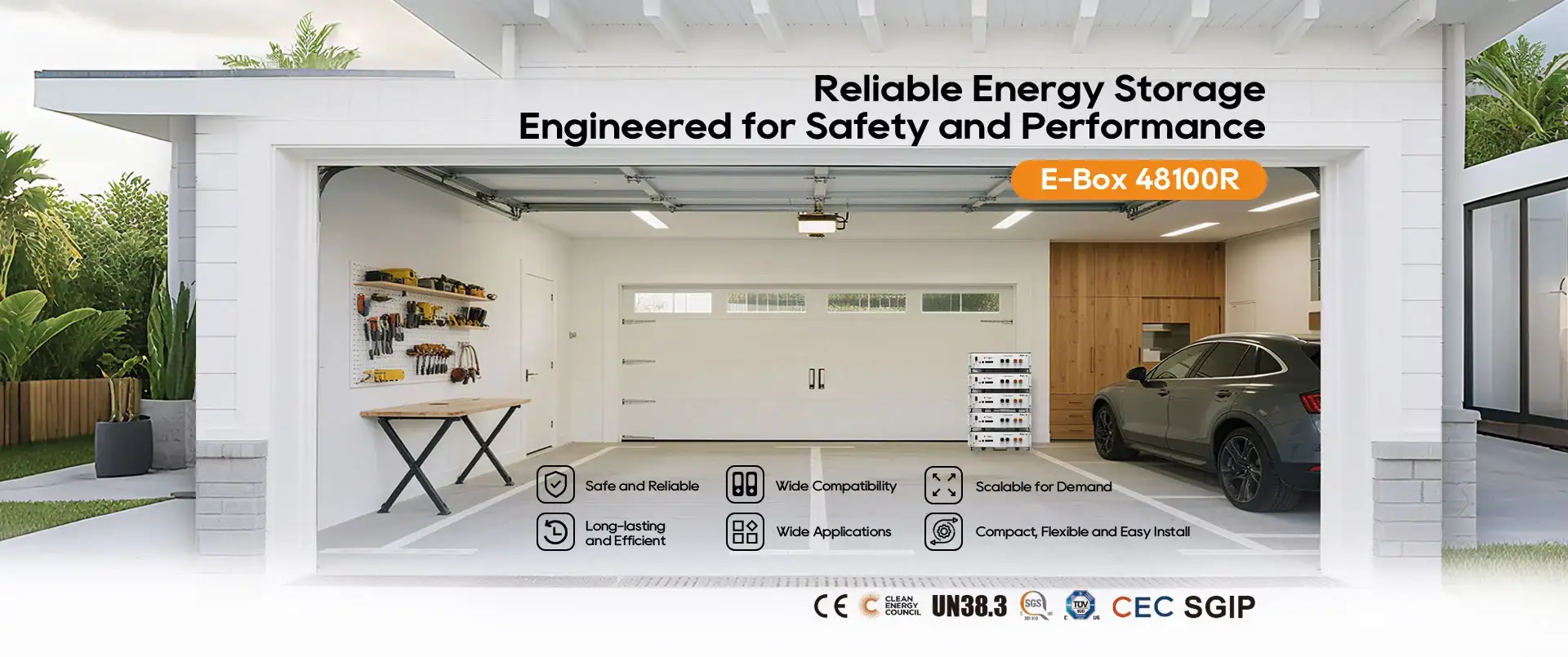
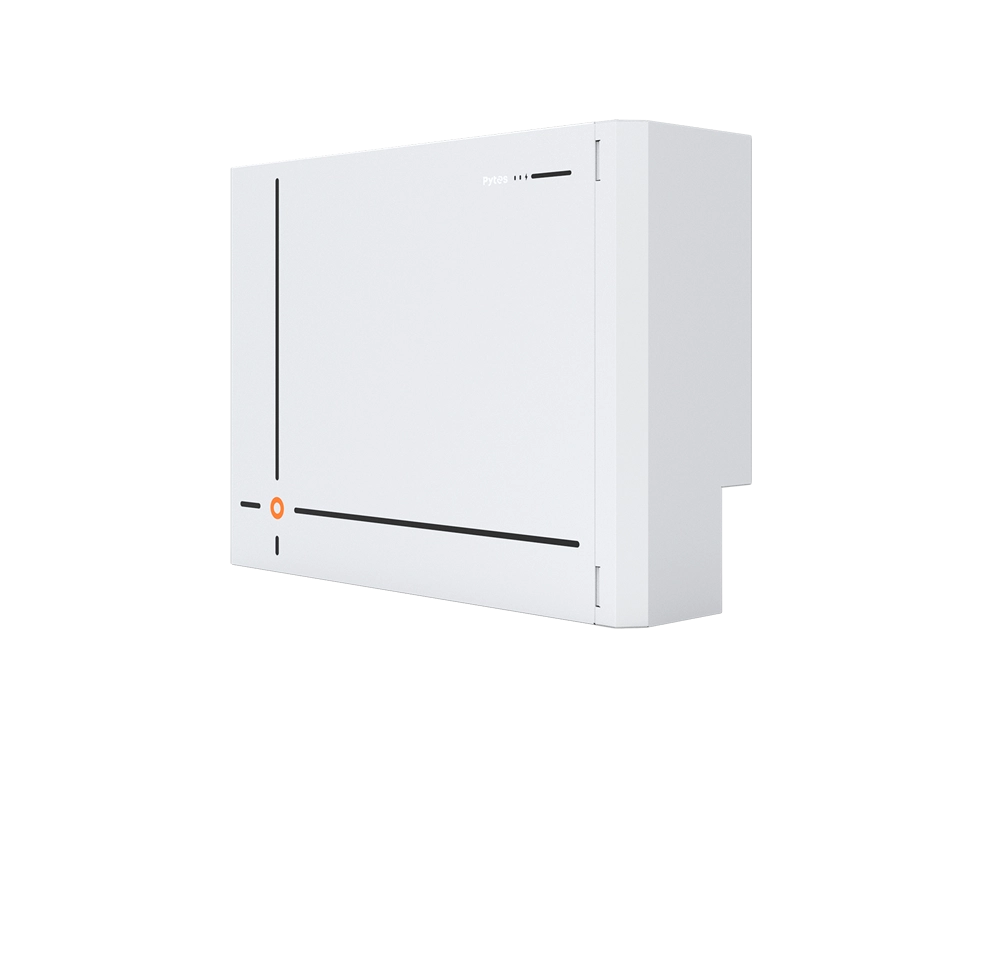
How Does a Residential Battery Storage System Make Home Energy More Reliable and Efficient?
A residential battery storage system helps bridge this gap by storing excess electricity for later use.
As household electricity consumption continues to increase, homeowners are paying greater attention to energy costs, power reliability, and renewable energy utilization. Solar panels can generate clean electricity during daylight hours, but household demand does not always match solar production. A residential battery storage system helps bridge this gap by storing excess electricity for later use.
By integrating battery technology with solar generation and household electrical systems, homeowners can improve energy flexibility, reduce dependence on grid electricity, and maintain power availability during certain outages. Understanding its performance characteristics and integration capabilities is essential when evaluating a suitable residential energy storage solution.
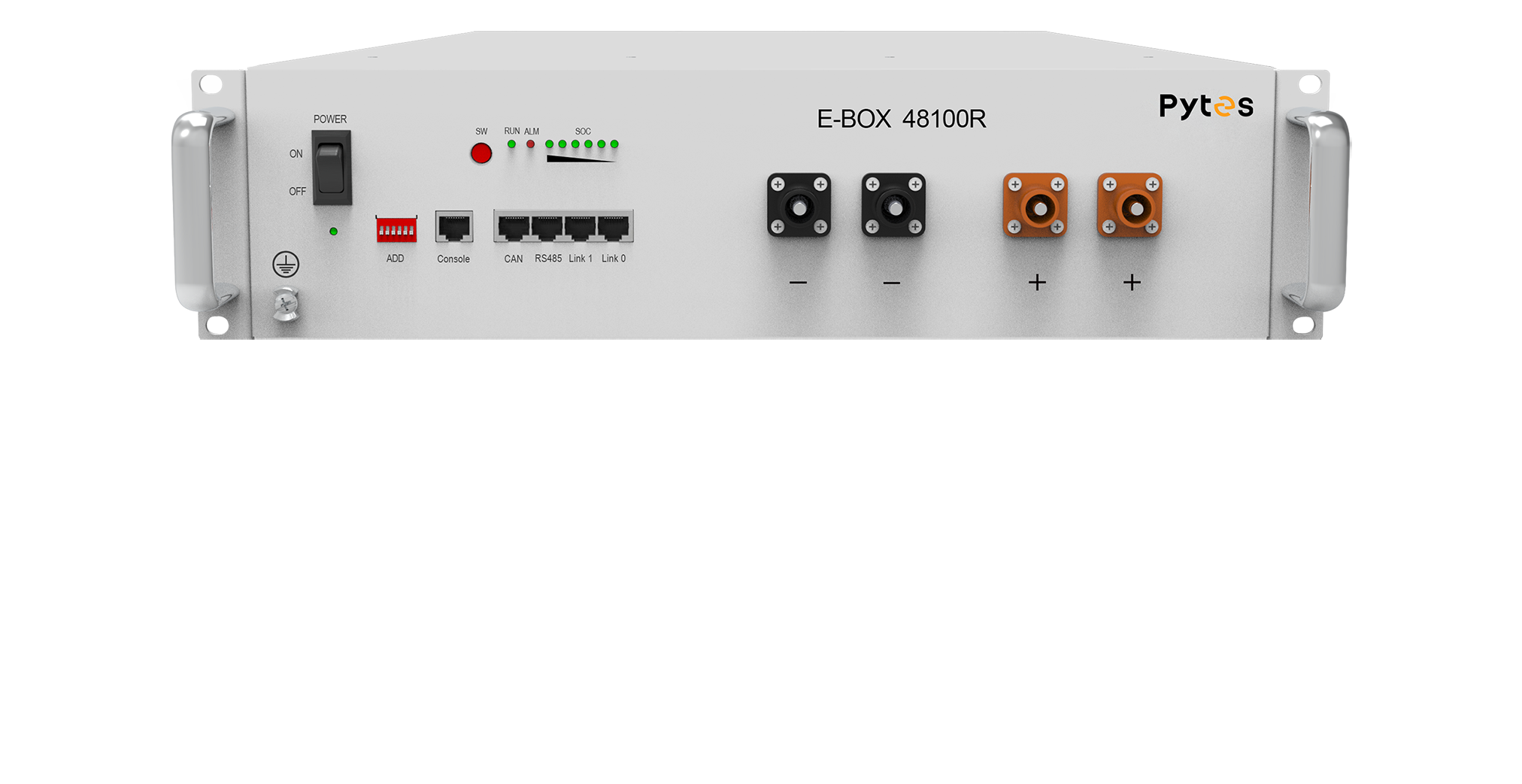
How Does a Residential Battery Storage System Improve Household Energy Management?
Energy Storage and Electricity Self-Consumption
A residential battery storage system stores electricity generated by rooftop solar panels or supplied by the utility grid, depending on the system configuration.
During periods of high solar generation, excess electricity can be stored rather than immediately exported to the grid. When solar production decreases in the evening or during periods of higher household demand, the stored electricity can be discharged to support household appliances.
This approach helps households use a greater proportion of their locally generated renewable energy and reduce unnecessary electricity purchases.
Peak Shaving and Electricity Cost Management
Electricity pricing structures in many regions include time-of-use rates, where electricity costs vary according to demand periods.
A residential battery storage system can charge when electricity prices are relatively low and discharge when prices are higher, provided that the system and local utility tariff support this operating strategy.
This energy management approach can help homeowners optimize electricity consumption and potentially reduce utility expenses. Actual savings depend on electricity pricing, battery capacity, system efficiency, and household consumption patterns.
Backup Power During Grid Outages
Unexpected grid interruptions can affect household lighting, communication devices, refrigeration, and other essential equipment.
A residential battery storage system equipped with compatible backup functionality can supply electricity to designated household circuits when the grid fails. The available backup duration depends on battery capacity, connected loads, and the system's power output.
For homeowners who prioritize energy resilience, backup capability is an important consideration when evaluating an energy storage solution.
Which Technical Features Determine Residential Battery Storage System Performance?
Battery Capacity and Power Output
Battery capacity determines how much electrical energy a residential battery storage system can store, commonly measured in kilowatt-hours (kWh). Power output, measured in kilowatts (kW), determines how much electricity the system can deliver at a given moment.
These two specifications serve different purposes. A system with higher capacity can generally provide electricity for a longer period, while higher power output allows it to support more demanding household loads.
Homeowners should evaluate daily electricity consumption, peak demand, and essential backup requirements before determining the appropriate system size.
Battery Chemistry and Cycle Life
Lithium iron phosphate (LiFePO4) batteries are widely used in residential energy storage because of their thermal stability, long cycle life, and suitability for repeated charging and discharging.
Battery chemistry influences energy density, operating characteristics, maintenance requirements, and overall service life. Manufacturers should provide clear technical specifications covering cycle-life conditions, usable capacity, and recommended operating parameters.
Battery Management System
The Battery Management System (BMS) plays an essential role in maintaining battery safety and operational stability.
It monitors important parameters such as cell voltage, current, and temperature while helping prevent conditions including overcharging, excessive discharging, and abnormal operating temperatures. A properly designed BMS also supports battery balancing and communication with compatible energy management equipment.
What Should Homeowners Consider When Installing a Residential Battery Storage System?
Compatibility with Solar Inverters
The residential battery storage system must be compatible with the household's inverter architecture and electrical configuration.
Some systems use hybrid inverters that integrate solar generation and battery storage, while others use separate battery inverters. Compatibility should be verified in terms of voltage range, communication protocols, charging specifications, and power ratings.
Proper integration helps ensure coordinated operation between solar panels, battery storage, and household electrical loads.
Installation Space and Environmental Conditions
Battery installation requires suitable space, structural support, ventilation where specified, and appropriate protection from environmental exposure.
Indoor and outdoor installations may have different requirements depending on the battery enclosure and manufacturer specifications. Temperature, humidity, direct sunlight, and accessibility should all be considered during installation planning.
Following the manufacturer's installation instructions and applicable local electrical and fire safety regulations is essential.
Modular Expansion and Future Energy Demand
Household electricity consumption may increase as homeowners add electric vehicles, heat pumps, or other high-power appliances.
A modular residential battery storage system can provide greater flexibility by allowing additional battery units to be connected when supported by the system design.
Before purchasing, homeowners should confirm the maximum supported capacity, expansion method, inverter compatibility, and whether additional equipment is required.
How Can Manufacturers Deliver a More Reliable Residential Battery Storage System?
Consistent Manufacturing Quality
Battery cell consistency, electrical connection quality, enclosure design, and assembly accuracy all influence the reliability of residential energy storage products.
Manufacturers should implement systematic quality inspection procedures covering battery modules, electrical components, protection circuits, and finished-system performance.
Consistent production standards help reduce quality variations and support dependable operation throughout the product's intended service life.
Comprehensive Safety Protection
Safety is a fundamental consideration in residential battery storage. In addition to battery management, a reliable system should incorporate appropriate electrical protection, thermal monitoring, short-circuit protection, and overcurrent safeguards.
Product certification and compliance should also be evaluated according to the destination market and applicable regulations. These measures help support safer installation and operation in residential environments.
Intelligent Monitoring and Energy Management
Modern residential battery storage systems increasingly incorporate monitoring platforms that provide information about battery status, charging and discharging activity, and household energy consumption.
Intelligent energy management allows homeowners to understand their electricity usage and adjust operating strategies according to solar generation, electricity prices, and backup requirements.
Conclusion
A residential battery storage system provides an effective way to improve household energy management, increase solar energy utilization, and support backup power availability. Its overall performance depends on battery capacity, power output, battery chemistry, BMS protection, and compatibility with the household electrical system.
For homeowners, installers, and energy solution providers, choosing a suitable system requires a comprehensive evaluation of energy consumption, installation conditions, safety requirements, and future expansion needs. A well-designed residential battery storage solution can support more efficient, flexible, and reliable household energy use.