Pytes E-Box 48100R: A Smarter Energy Storage Solution for Modern Homes
The Pytes E-Box 48100R residential solar battery storage system is a rack-mounted lithium iron phosphate battery solution designed for residential and other energy storage applications.
Reliable battery storage is an important part of a residential solar energy system. It allows homeowners to store electricity generated by solar panels and use stored energy when solar production is insufficient. The Pytes E-Box 48100R residential solar battery storage system is a rack-mounted lithium iron phosphate battery solution designed for residential and other energy storage applications. Its electrical specifications, integrated battery management, and modular configuration make it a practical option for projects requiring flexible energy storage capacity.
Battery Capacity and Electrical Performance of the Pytes E-Box 48100R Residential Solar Battery Storage System
Battery capacity and electrical performance determine how effectively a storage solution supports household energy requirements. The Pytes E-Box 48100R residential solar battery storage system uses a 51.2V nominal voltage configuration with a 100Ah rated capacity, providing 5.12kWh of nominal energy per battery unit.
5.12kWh Energy Capacity for Residential Storage
With 5.12kWh of nominal energy, the Pytes E-Box 48100R can store electricity generated by a residential solar installation for later consumption. The actual usable energy depends on the configured depth of discharge, operating conditions, and system settings. Homeowners and installers should evaluate daily electricity consumption, expected backup duration, and solar generation before determining the required number of battery units.
Charging and Discharging Performance
The battery has a recommended charge and discharge current of 50A, corresponding to approximately 2.56kW of DC power at nominal voltage. Its peak discharge capability is specified at 102A for 15 seconds. These parameters help installers assess whether the battery can support the expected power demand and inverter configuration. Proper system design should account for continuous loads, short-duration peak demand, and the electrical limits of all connected components.
Battery Safety of the Pytes E-Box 48100R Residential Solar Battery Storage System
Battery safety is a critical consideration for residential energy storage because the equipment operates in or near occupied buildings. The Pytes E-Box 48100R residential solar battery storage system uses lithium iron phosphate (LiFePO4 or LFP) chemistry and an integrated battery management system to support controlled battery operation.
LiFePO4 Battery Chemistry and Cycle Life
LiFePO4 chemistry is widely used in stationary energy storage because of its thermal stability and suitability for repeated charging and discharging. According to Pytes specifications, the E-Box 48100R is rated for at least 6,000 cycles under specified test conditions. Actual service life depends on operating temperature, charge and discharge rates, depth of discharge, and installation conditions.
Battery Management and Protection Functions
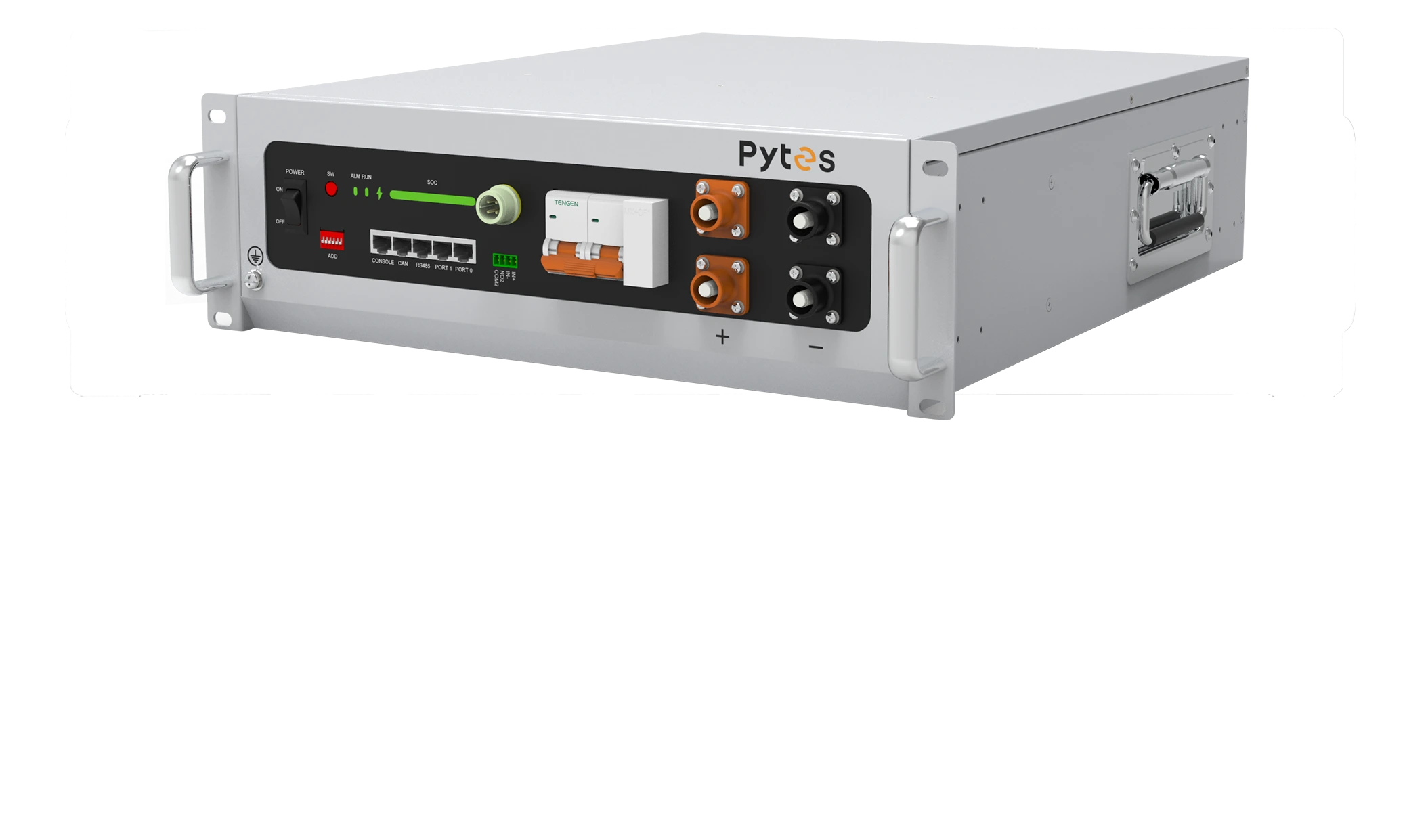
The battery management system monitors important operating parameters and helps protect the battery against abnormal electrical conditions. The E-Box 48100R product documentation also identifies protection features such as integrated circuit breakers, current limiters, and pre-charge protection in its rack-oriented product configuration. Installers should follow the manufacturer's installation instructions and applicable electrical and fire safety requirements rather than treating battery protection features as a replacement for system-level safeguards.
Inverter Compatibility of the Pytes E-Box 48100R Residential Solar Battery Storage System
Communication between the battery and inverter is essential for coordinated charging, discharging, and system monitoring. The Pytes E-Box 48100R residential solar battery storage system supports CAN and RS485 communication protocols, enabling integration with compatible energy storage inverters.
CAN and RS485 Communication
CAN and RS485 communication allow the battery management system to exchange operating information with a compatible inverter. This can support coordinated charging limits, discharge control, and battery status monitoring. However, communication protocol availability alone does not guarantee compatibility. The specific inverter model, firmware version, communication settings, and approved connection method should be checked before installation.
Inverter Matching and System Configuration
The battery is listed for compatibility with a range of inverter brands, including Victron Energy, Sol-Ark, Deye, Growatt, SMA, and other manufacturers. Because compatibility can vary by model and firmware, installers should consult the latest official Pytes compatibility documentation before finalizing a system design. Correct inverter matching helps avoid communication problems and ensures that charging and discharging parameters remain within the battery's operating limits.
Modular Expansion of the Pytes E-Box 48100R Residential Solar Battery Storage System
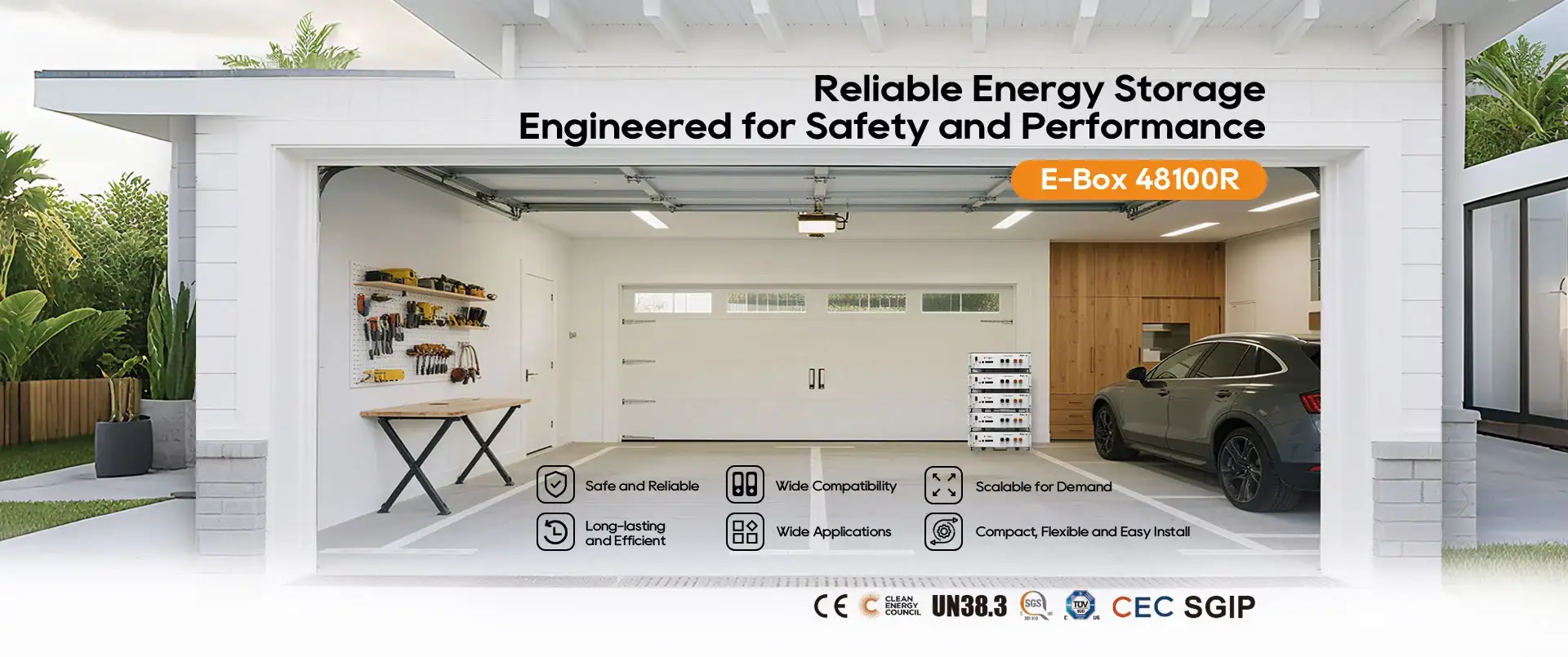
Residential electricity requirements can change as households add appliances, electric vehicles, or other energy-consuming equipment. The Pytes E-Box 48100R residential solar battery storage system uses a modular design that allows storage capacity to be expanded according to project requirements.
Rack-Mounted Installation and Space Planning
The E-Box 48100R has a rack-mounted form factor with dimensions of approximately 440 × 620 × 117mm and a weight of approximately 51kg. Its design supports integration into suitable battery racks and compatible enclosures. During installation planning, buyers should consider rack dimensions, ventilation, cable routing, maintenance access, and the environmental conditions of the intended installation location.
Scalable Capacity for Growing Energy Requirements
Pytes specifies support for up to 16 battery units in one group, providing 81.92kWh of nominal energy. With a compatible Pytes Hub, the system can support up to six groups, reaching a stated system capacity of 491.52kWh. These expansion capabilities allow the same battery platform to serve projects with different storage requirements. The final configuration must follow the manufacturer's system design and connection guidelines.
Conclusion
The Pytes E-Box 48100R residential solar battery storage system combines 51.2V LFP battery technology, 5.12kWh nominal energy capacity, integrated battery management, and modular expansion. Its suitability for a residential solar project depends on household energy consumption, inverter compatibility, installation conditions, and backup power requirements. Careful system planning and compliance with manufacturer guidelines help ensure reliable operation and effective use of stored solar energy.