How to Choose a Residential Solar Battery for Australian Homes
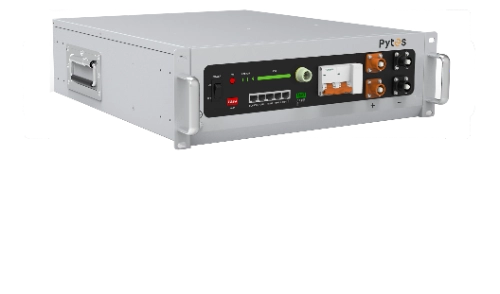
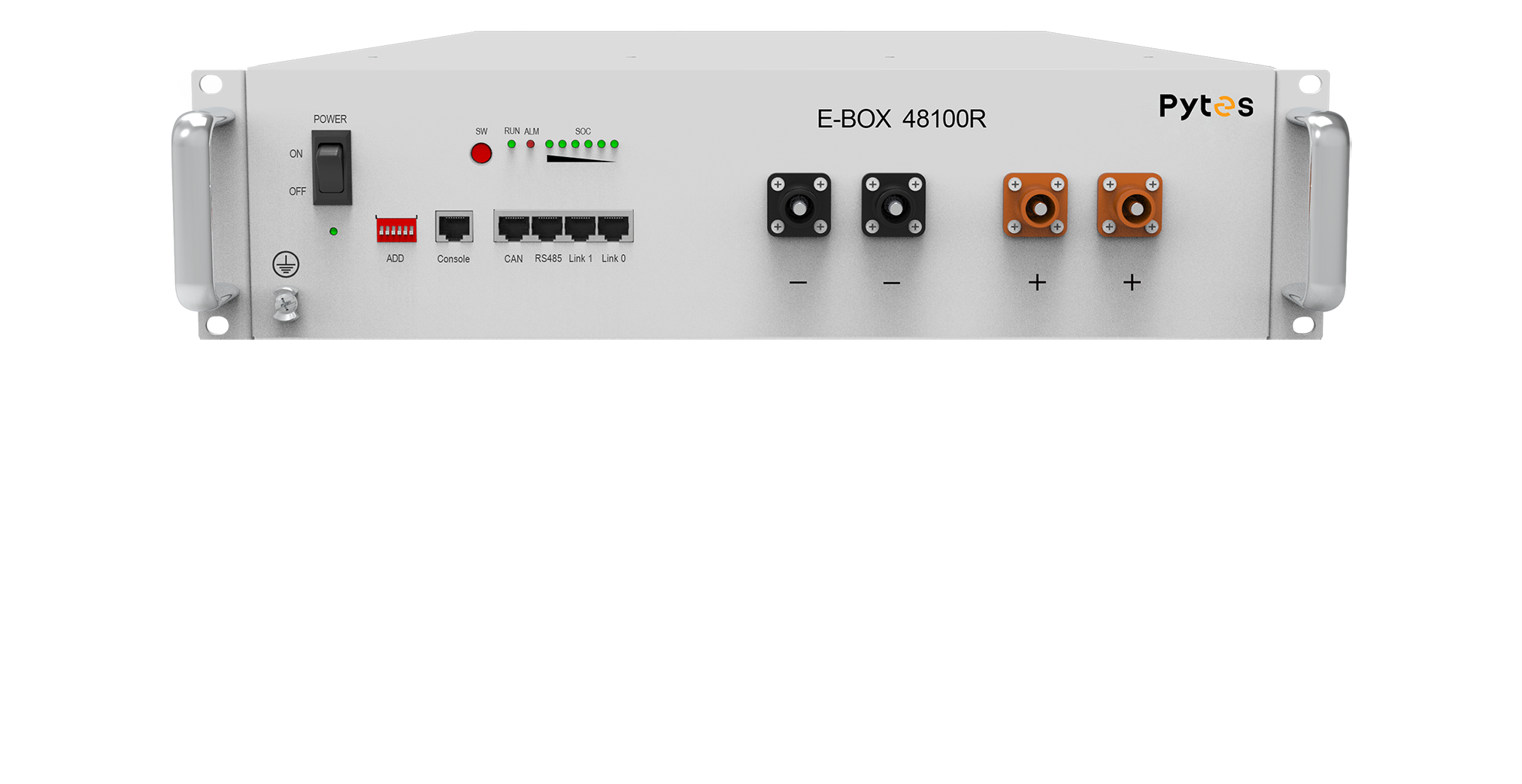
A residential solar battery allows Australian households to store electricity generated by rooftop solar and use it later when solar production is low or household demand is higher.
A residential solar battery allows Australian households to store electricity generated by rooftop solar and use it later when solar production is low or household demand is higher. With the right system design, battery storage can increase solar self-consumption and reduce reliance on electricity purchased from the grid.
However, battery capacity alone does not determine whether a system is suitable for a home. Usable energy, power output, inverter compatibility, backup requirements, battery chemistry, VPP capability, installation conditions, and local requirements should all be considered before choosing a residential battery system.
Why a Residential Solar Battery Makes Sense for Australian Homes
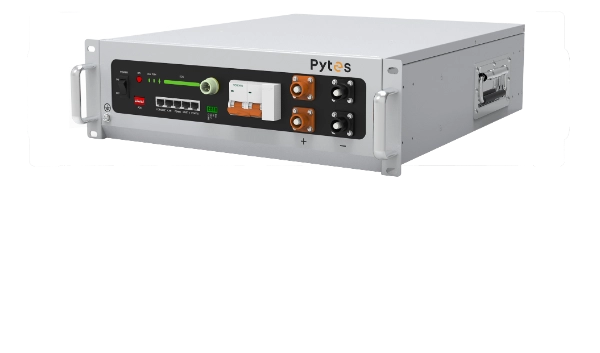
Australia has a highly developed rooftop solar market, creating strong conditions for residential energy storage. A residential solar battery can capture excess daytime solar generation that might otherwise be exported and make that energy available later in the day.
Increase Solar Self-Consumption
Solar panels often produce significant electricity during the middle of the day, while household demand can increase in the morning and evening. Without storage, excess solar electricity may be exported to the grid.
A residential battery stores part of this surplus generation for later use, allowing homeowners to consume more of the electricity produced by their own solar system.
Reduce Grid Electricity Consumption
When solar production falls in the evening, the battery can supply stored energy to household loads according to the system configuration.
The actual financial benefit depends on factors such as electricity consumption, solar generation, battery size, electricity tariffs, system efficiency, and how the battery is operated. A larger battery does not automatically result in greater savings if there is insufficient excess solar energy available to charge it.
Provide Backup Power When Configured
Some residential battery systems can provide backup electricity during a grid outage, but backup capability should never be assumed simply because a home has a battery.
The residential solar battery, inverter, switching equipment, electrical design, and protected circuits must support the required backup configuration. Homeowners should also determine which loads need to remain operational during an outage.
Support Smarter Energy Management
Modern residential energy storage systems can coordinate solar generation, battery charging, household consumption, and grid interaction through an energy management system.
Depending on system capability and electricity plan, this can allow the battery to respond more intelligently to different electricity prices, household loads, and grid conditions.
What Features Should a Residential Solar Battery Have?
Choosing a residential solar battery requires more than comparing the headline kWh capacity shown on a specification sheet. Usable capacity, power, battery chemistry, cycle performance, monitoring, and scalability can all affect real-world operation.
Usable Battery Capacity
Battery capacity is normally expressed in kilowatt-hours, but buyers should distinguish between total or nominal capacity and the energy actually available for use.
The appropriate usable capacity depends on household electricity consumption, rooftop solar production, evening energy demand, backup requirements, and the homeowner's energy strategy.
Power Output
Capacity indicates how much energy can be stored, while power determines how quickly the battery can deliver that energy.
A household with several high-power appliances may require different output capability from a home with relatively modest loads. For backup applications, both continuous and peak power requirements should be evaluated against the intended essential loads.
LiFePO4 Battery Chemistry
Lithium iron phosphate, commonly known as LFP or LiFePO4, is widely considered for stationary residential energy storage because of characteristics such as cycle performance and thermal stability.
However, cell chemistry is only one part of a complete residential solar battery. Battery management, thermal design, enclosure construction, electrical protection, system integration, and manufacturing quality are also important.
Modular and Expandable Design
Household electricity demand can change after the initial installation. Electrification, additional appliances, home extensions, or electric vehicle charging may increase future energy requirements.
A modular battery architecture can provide greater flexibility by allowing compatible capacity expansion where supported by the system design and manufacturer specifications.
How to Size a Residential Solar Battery in Australia
Correct sizing is essential to achieving practical value from a residential solar battery. Selecting the largest available battery is not necessarily the most economical approach because storage capacity should correspond to both available solar generation and household consumption.
Analyse Household Electricity Usage
Historical electricity consumption provides a useful starting point for battery sizing. Particular attention should be given to consumption after solar production declines because this represents a major opportunity for stored solar energy to replace grid electricity.
Seasonal differences should also be considered. Solar production and household loads can vary significantly between summer and winter.
Compare Solar Generation and Excess Energy
An existing rooftop solar system should generate sufficient surplus electricity to charge the battery under typical conditions if solar self-consumption is the primary objective.
For new installations, solar array and battery sizing can be considered together. This helps create a more balanced system instead of treating solar generation and storage as unrelated components.
Consider Backup Requirements
A homeowner seeking basic backup for lighting, communications, refrigeration, and selected circuits may require a different configuration from someone expecting broader whole-home backup.
Battery capacity, inverter output, surge capability, backup duration, and essential-load design should therefore be considered together when configuring a residential solar battery for outage protection.
Plan for Future Energy Demand
Australian homes are increasingly adopting electric appliances and other forms of household electrification. Future changes may alter both electricity consumption and the optimal battery capacity.
Where appropriate, homeowners and installers can consider future expansion when selecting the initial battery architecture, inverter, and energy management system.
How to Select a Residential Solar Battery for the Australian Market
A residential solar battery intended for Australia should be evaluated as a complete energy storage system rather than simply as a battery module. Product compliance, inverter integration, safety, VPP capability, warranty support, and installation requirements all deserve attention.
Check Australian Product Requirements
Products supplied for Australian residential installations should meet the applicable regulatory, technical, and program requirements for their intended use.
Where eligibility for government battery incentives is important, installers, distributors, and homeowners should verify the current requirements and approved product status before making purchasing decisions, as programs and eligibility conditions can change.
Confirm Inverter Compatibility
The battery and inverter must be technically compatible. Depending on the system architecture, a residential battery may be installed with a hybrid inverter or integrated into an existing solar installation through an appropriate configuration.
Communication protocols, voltage ranges, charging and discharging control, backup operation, and energy management functions should be confirmed during system design.
Consider VPP Capability
Virtual Power Plants are becoming increasingly relevant in the Australian residential battery market. A VPP can coordinate distributed household batteries so they can respond to signals and participate in broader energy management programs.
For buyers targeting the Australian market, VPP capability and communication functionality should therefore be considered during residential solar battery product selection, particularly where participation in applicable government programs is required.
Evaluate the Battery Manufacturer
For distributors, solar companies, installers, and energy storage brands, product selection should extend beyond battery specifications. Cell sourcing, BMS design, manufacturing consistency, testing, traceability, technical documentation, warranty terms, and after-sales support can all influence long-term product performance.
An experienced residential solar battery manufacturer should also understand the requirements of the Australian market and support partners with appropriate product documentation, system integration information, technical assistance, and consistent production quality.
Conclusion
Choosing a residential solar battery for an Australian home requires balancing usable capacity, power output, solar generation, household consumption, backup requirements, inverter compatibility, VPP capability, and applicable Australian requirements.
Rather than selecting a battery based on capacity or price alone, homeowners and industry buyers should evaluate the complete energy storage system. A properly matched solution can increase solar self-consumption and provide more flexible control over how household solar energy is stored and used.