Residential Battery Storage System: Smarter Energy Management for Modern Homes
A residential battery storage system allows electricity to be stored when it is available and used later when household demand increases or grid power is unavailable.
Rising electricity costs, rooftop solar generation, and increasing demand for backup power are changing how households manage energy. A residential battery storage system allows electricity to be stored when it is available and used later when household demand increases or grid power is unavailable.
For solar installers, energy solution providers, distributors, and homeowners, the value of a battery system depends on more than battery capacity. Cell chemistry, inverter compatibility, charging strategy, thermal management, safety controls, and installation conditions all affect long-term performance.
Residential Battery Storage System Architecture and Energy Flow
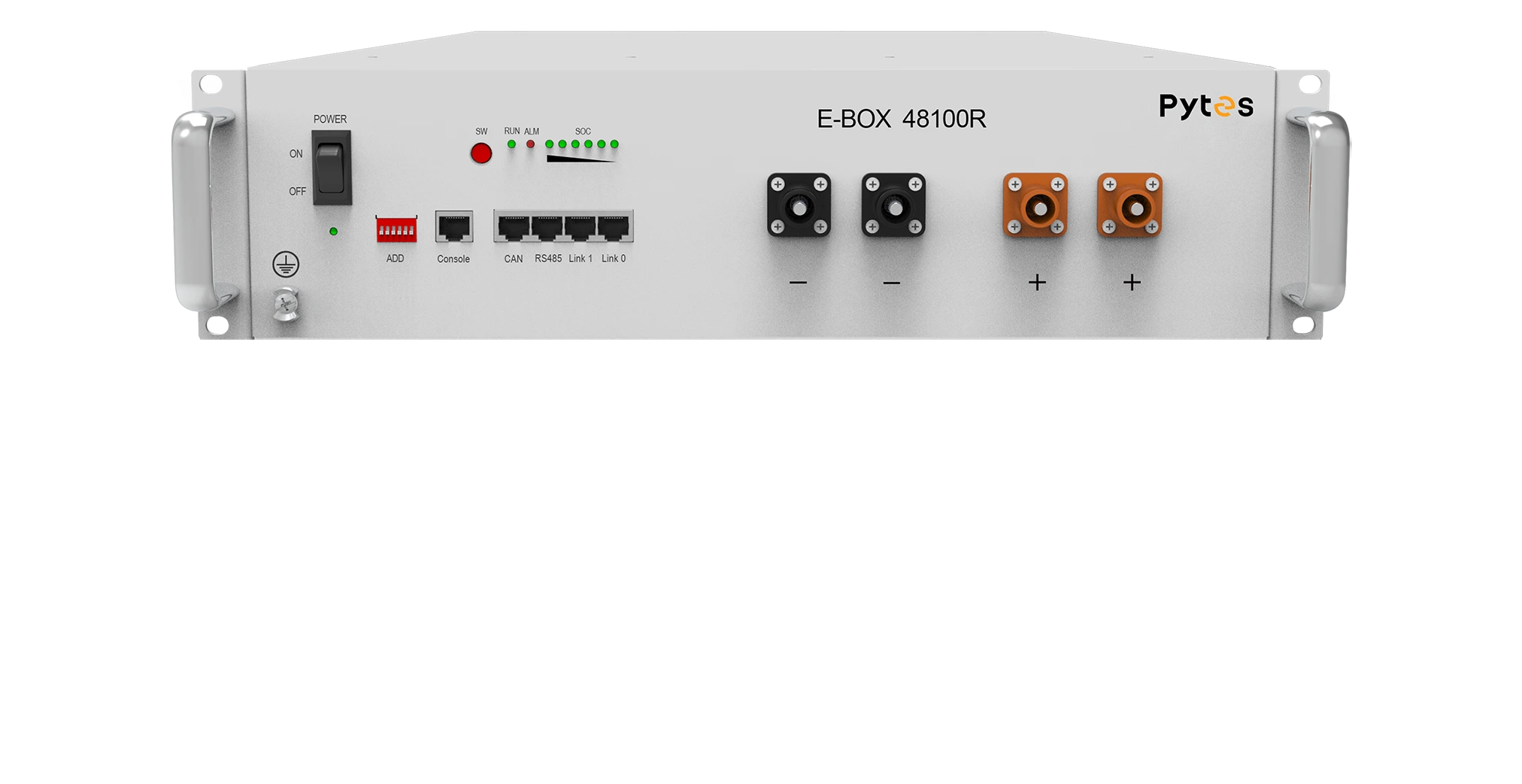
A residential battery storage system connects battery capacity with the home's electrical system to control when energy is stored and when it is delivered. In a solar-plus-storage installation, excess photovoltaic generation can be directed to the battery instead of being immediately exported or curtailed.
The system can then discharge stored energy according to household demand, electricity tariffs, or backup requirements. This makes the battery an active part of household energy management rather than simply an emergency power source.
Battery Capacity and Power Rating
Battery capacity, measured in kWh, determines how much energy can be stored. Power rating, measured in kW, determines how quickly the system can charge or discharge.
A residential battery storage system therefore needs both values to match the household's energy profile. A high-capacity battery with insufficient output power may not support several high-load appliances simultaneously, while excessive power capability can increase system cost without providing meaningful benefits.
Battery Chemistry and System Configuration
Lithium iron phosphate (LiFePO4) batteries are widely used in residential energy storage because of their thermal stability, cycle characteristics, and suitability for repeated charge and discharge.
The battery configuration can be designed around the required voltage, capacity, enclosure size, and inverter architecture. Modular configurations also allow manufacturers to develop different capacity levels from a common product platform.
Safety and Thermal Management in Residential Battery Storage System Design
Safety is a fundamental engineering consideration for a residential battery storage system because the equipment may operate continuously inside or near a residential building. Electrical protection, battery monitoring, thermal control, and enclosure design need to work together.
Battery Management System
The battery management system monitors parameters such as cell voltage, temperature, current, and state of charge. It can identify abnormal operating conditions and control charging or discharging accordingly.
For a residential battery storage system, accurate cell monitoring helps maintain battery balance and provides protective responses against conditions such as overvoltage, undervoltage, overcurrent, or excessive temperature.
Thermal Control and Enclosure Design
Battery temperature affects charging performance, service life, and safety. The enclosure therefore needs to support appropriate heat dissipation under the expected operating environment.
Depending on the battery architecture and installation location, manufacturers may use passive heat dissipation or active thermal management. The enclosure should also provide appropriate protection against dust, moisture, and accidental contact.
Electrical Protection
Overcurrent protection, short-circuit protection, isolation functions, and appropriate wiring are important parts of the overall system design. The exact protection configuration should correspond to the battery voltage, inverter specifications, installation environment, and applicable electrical codes.
A professionally engineered residential battery storage system should be evaluated as an integrated electrical system rather than treating the battery pack as an isolated product.
Residential Battery Storage System Operating Strategies
The way a residential battery storage system is operated can significantly influence its economic value and usable energy. Modern systems can use different control strategies according to solar production, household demand, grid conditions, and electricity pricing.
Solar Self-Consumption
During periods of strong solar generation, photovoltaic output may exceed immediate household demand. The residential battery storage system can store part of this surplus energy for later use.
After solar production decreases, the stored electricity can supply household loads. This operating strategy allows more of the generated solar energy to be consumed within the property instead of relying on grid electricity during evening hours.
Time-of-Use Energy Management
Where electricity prices vary throughout the day, battery charging and discharging can be scheduled around tariff periods. The system may charge during lower-cost periods and discharge when electricity prices are higher, subject to the battery manufacturer's operating limits and the user's energy strategy.
This requires accurate control software and communication between the battery, inverter, and energy management system. A residential battery storage system with configurable operating modes provides greater flexibility for different electricity pricing structures.
Backup Power Operation
Backup operation requires the battery to retain sufficient energy for grid outages. Instead of maximizing daily energy savings, the system can reserve a defined state of charge for critical loads.
The backup configuration should be designed around the actual electrical circuits that need to remain powered. High-demand equipment such as air conditioners, electric water heaters, or induction cookers may require substantially more inverter capacity than lighting, networking equipment, or refrigeration.
Manufacturing and B2B Considerations for Residential Battery Storage System
For distributors, solar companies, and energy storage brands, sourcing a residential battery storage system requires evaluation of the complete product platform rather than battery cells alone. Consistent manufacturing, inverter compatibility, certifications, communication protocols, and after-sales support can directly affect project deployment.
Factory Production and Quality Control
A specialized battery manufacturer should control cell sourcing, pack assembly, welding quality, insulation, wiring, BMS integration, enclosure construction, and final electrical testing.
Production testing can include voltage consistency, insulation performance, communication functions, protection responses, and system-level operation. Consistent testing procedures are particularly important for OEM orders where multiple battery units must perform under the same specifications.
OEM and Capacity Customization
Different markets have different requirements for battery voltage, capacity, enclosure dimensions, communication interfaces, and installation methods. A residential battery storage system manufacturer with OEM capability can adapt the product platform to specific project requirements.
Customization may involve battery capacity, module configuration, enclosure design, BMS parameters, inverter communication, display interfaces, branding, and packaging. Sample validation before mass production helps confirm electrical compatibility and mechanical integration.
Certifications and Market Requirements
Residential energy storage products may be subject to electrical, battery safety, EMC, transportation, and regional certification requirements depending on the destination market.
For B2B buyers, certification planning should begin before mass production. The battery configuration, inverter combination, enclosure, and intended installation environment can all affect compliance requirements.
Conclusion
A residential battery storage system combines battery capacity, power conversion, monitoring, protection, and energy management into a system designed for daily household energy use and backup power.
For manufacturers, installers, distributors, and OEM brands, reliable performance depends on cell quality, BMS control, thermal management, electrical protection, system compatibility, and consistent production. A properly engineered storage platform can then be adapted to different household energy profiles and regional market requirements.

-
<
Previous
-
>
Next